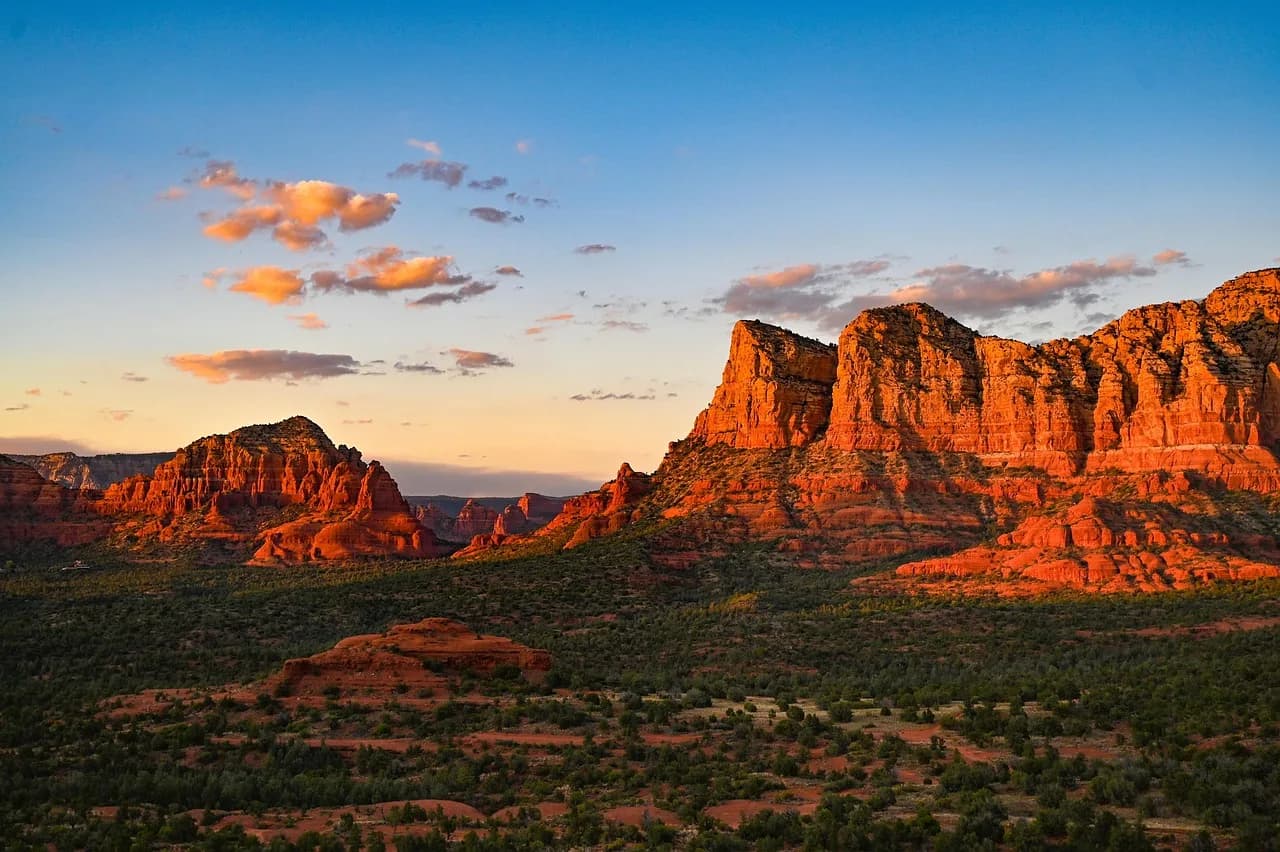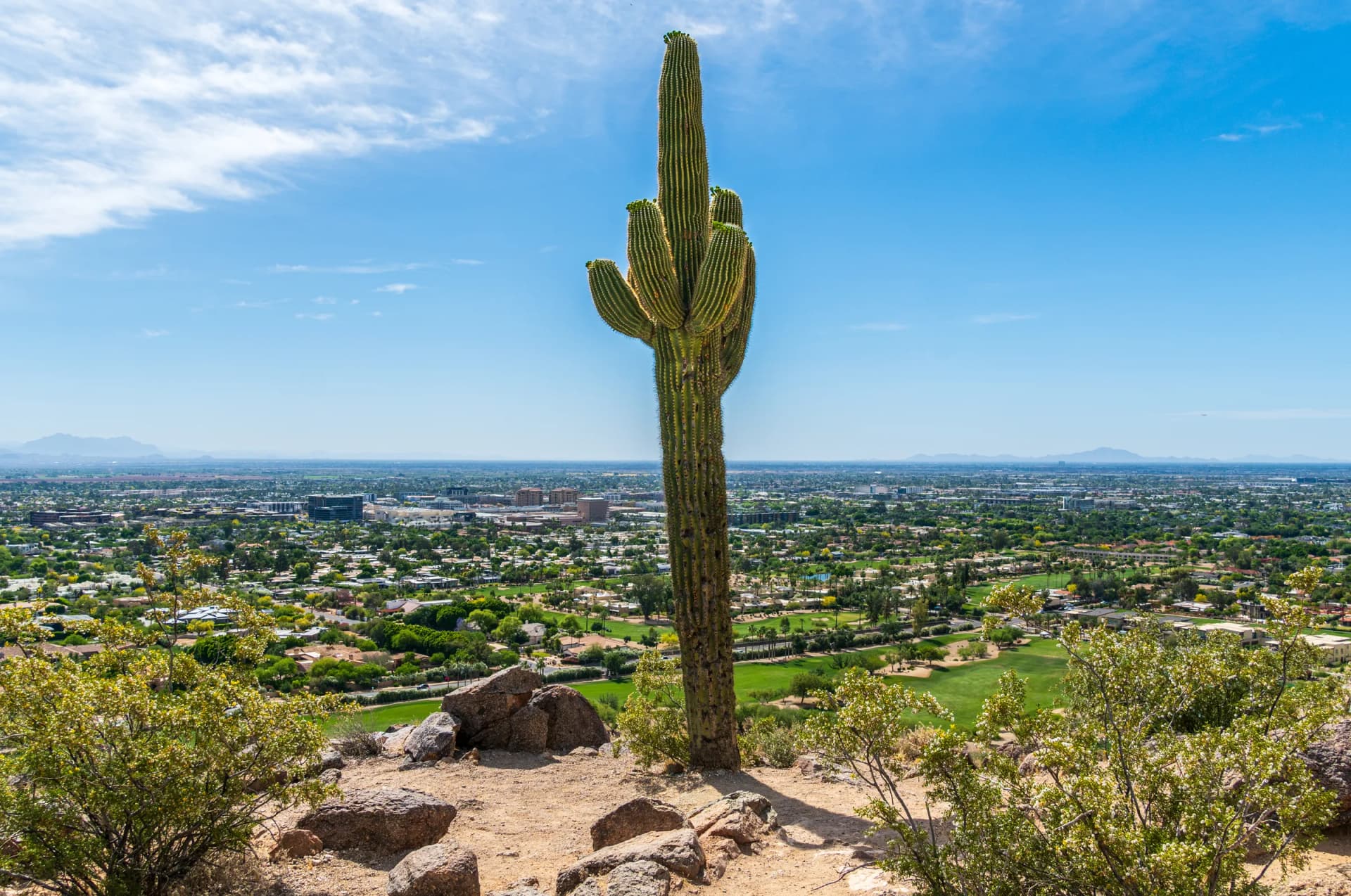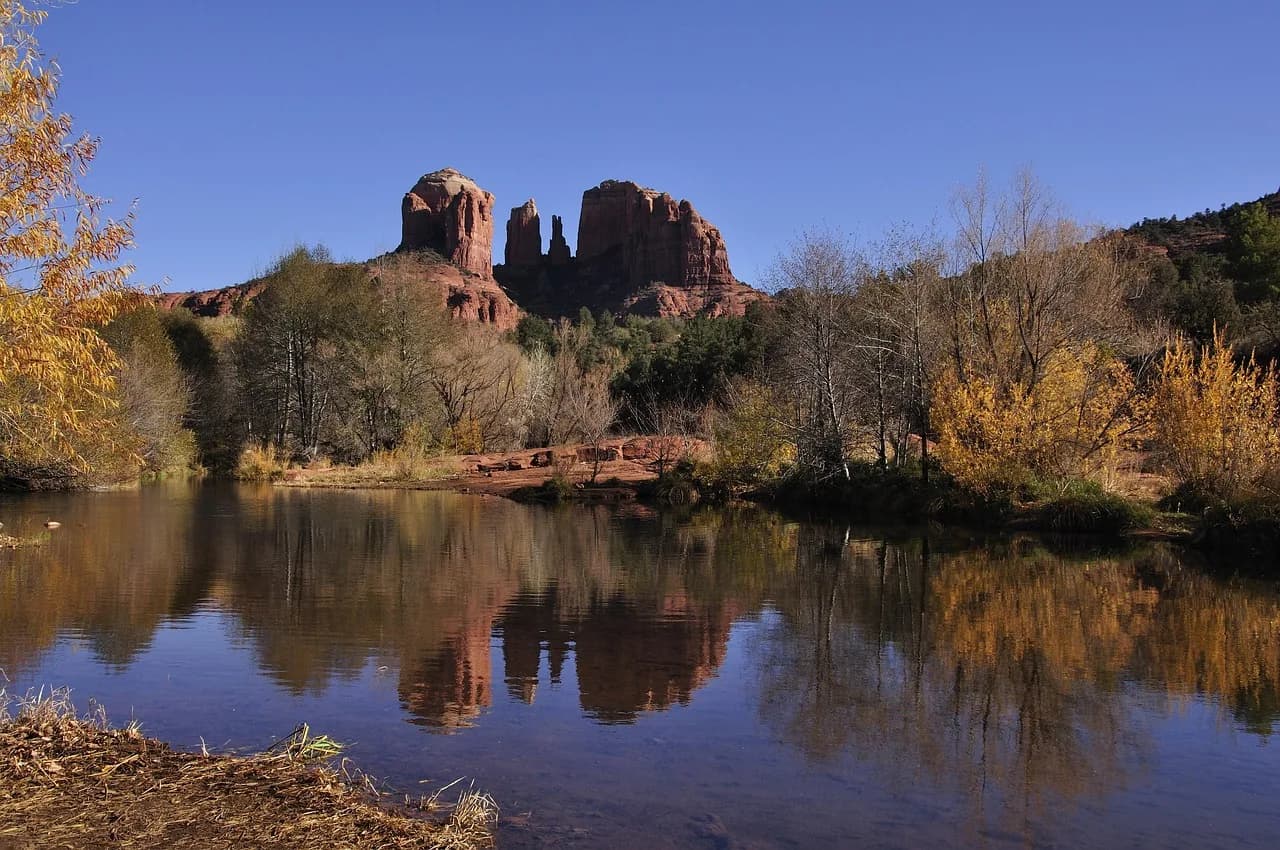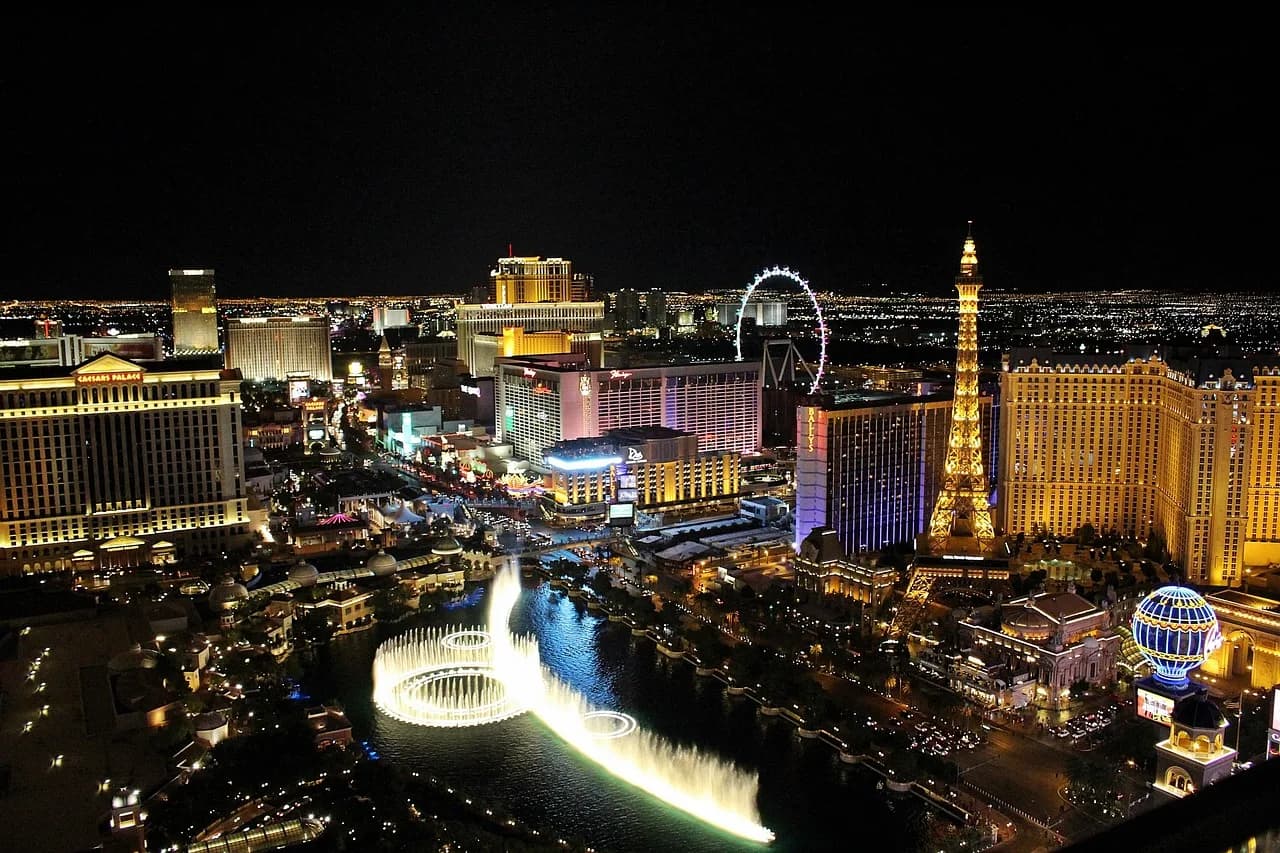
The Utah national parks are Zion, Bryce Canyon, Capitol Reef, Arches and Canyonlands. You can drive all five in 5 to 7 days. Start in Las Vegas or Salt Lake City. NPS puts Zion 170 miles from the Las Vegas airport and Arches 236 miles from Salt Lake City. We read the NPS and Visit Utah pages on 14 October 2026.
The route in driving order
This is the map in text form. Go south to north and you meet the parks in this order.
| Stop | Nearest town | Distance to next stop (approximate) | Source |
|---|---|---|---|
| Las Vegas | Las Vegas | About 170 miles to Zion | NPS Zion directions page lists the airport 170 miles away |
| Zion | Springdale | About 85 miles to Bryce Canyon | Visit Utah, day 10 of its 10-day plan. NPS Zion figures work out to about 87 miles |
| Bryce Canyon | Bryce | About 115 to 120 miles to Capitol Reef, about 3 hours | NPS Capitol Reef gives "about three hours" on SR-12. Visit Utah lists 115 miles from Torrey to Kodachrome Basin, near Bryce. Exact miles not confirmed |
| Capitol Reef | Torrey | About 125 to 150 miles to Moab | Travel guides, which differ. Not confirmed |
| Arches and Canyonlands | Moab | Arches is 5 miles north of Moab. Salt Lake City is 236 miles from Arches | NPS Arches directions page |
Apart from the NPS Bryce to Capitol Reef figure, we did not confirm drive times, so we show miles only. NPS Zion notes that the Zion-Mount Carmel Highway between Zion and Bryce is slow, usually under 30 mph. Canyonlands has more than one district, and we did not confirm how far the Island in the Sky or the Needles is from Moab. Check your map app for each day. Visit Utah says Salt Lake City is "about three and a half hours" from Moab.
A 5-day plan
Five days is the fast version. It suits you if you want a look at each park, not a long hike in each. It starts in Las Vegas and ends in Salt Lake City.
| Day | Plan | Miles that day (approximate) |
|---|---|---|
| 1 | Las Vegas to Zion. Evening in Springdale | About 170 |
| 2 | Zion in the morning, then on to Bryce Canyon | About 85 |
| 3 | Bryce Canyon in the morning, then on to Capitol Reef | About 115 to 120 |
| 4 | Capitol Reef in the morning, then on to Moab and Arches | About 125 to 150 |
| 5 | Canyonlands, then drive to Salt Lake City | Not confirmed for Canyonlands, plus about 236 from Arches |
A 7-day plan
Seven days gives you a full day in Zion and in the Moab area. It starts in Las Vegas and ends in Salt Lake City.
| Day | Plan |
|---|---|
| 1 | Las Vegas to Zion |
| 2 | Zion all day |
| 3 | Zion to Bryce Canyon, with an afternoon at the rim |
| 4 | Bryce Canyon to Capitol Reef |
| 5 | Capitol Reef to Moab, with an evening in Arches |
| 6 | Canyonlands |
| 7 | Moab to Salt Lake City |
For comparison, Visit Utah's own plan uses 10 days and 1,040 miles. It starts in Moab and ends in Zion, and it adds Monument Valley and Goblin Valley. Its daily miles range from 40 to 225. We built the tables above ourselves from the distances in this guide, and we did not drive them.
2026 entry fees and the pass
Price: Zion: $35 a vehicle, $20 a person on foot or bike, children 15 and under free. Non-US residents aged 16 and over pay an extra $100 each, unless they hold an Annual or America the Beautiful Pass (NPS Zion fees page, updated 6 Jun 2026, read 14 Oct 2026)
Price: Bryce Canyon: $35 a vehicle, $20 a person, children 15 and under free. The same extra $100 for non-US residents. The park does not take cash (NPS Bryce Canyon fees page, updated 14 May 2026, read 14 Oct 2026)
Price: Arches $30 a vehicle and $15 a person (NPS Arches fees page, updated 18 Apr 2025). Canyonlands $30 a vehicle and $15 a person (NPS Canyonlands fees page, updated 18 Apr 2025). Capitol Reef $20 a vehicle and $10 a person (NPS Capitol Reef fees page, updated 29 Dec 2025). All read 14 Oct 2026
Price: America the Beautiful annual pass: $80 for US citizens and residents, $250 for non-US residents (NPS Arches and Capitol Reef fees pages, read 14 Oct 2026)
Note: NPS's fees page, updated 1 Jan 2026, lists the parks that charge the extra $100 for non-US residents. Of the five, only Zion and Bryce Canyon are on it. Arches, Canyonlands and Capitol Reef are not (NPS fees page, read 14 Oct 2026)
By our arithmetic from these figures, the five vehicle fees add up to $150 for a car. The $80 pass for US residents costs less. A non-US resident adult in a car would pay $350 at the gate ($135 each at Zion and Bryce Canyon, plus $20, $30 and $30), so the $250 pass costs less for that person. The Arches and Canyonlands pages are dated 2025, so check the fee at the gate.
The park pages list free days for US residents in 2026, including 25 May, 14 June, 3 to 5 July, 25 August, 17 September, 27 October and 11 November. Timed-entry or reservation fees may still apply on those days.
Reservations and timed entry in 2026
Note: Arches: no advance timed-entry reservations in 2026. NPS announced this on 18 Feb 2026, and the Plan Your Visit page, updated 8 Apr 2026, repeats it. Visitors can enter at any time in operating hours, but NPS says vehicles may be diverted when areas fill. Reservations are still needed for Devils Garden Campground and Fiery Furnace hikes (NPS Arches, read 14 Oct 2026)
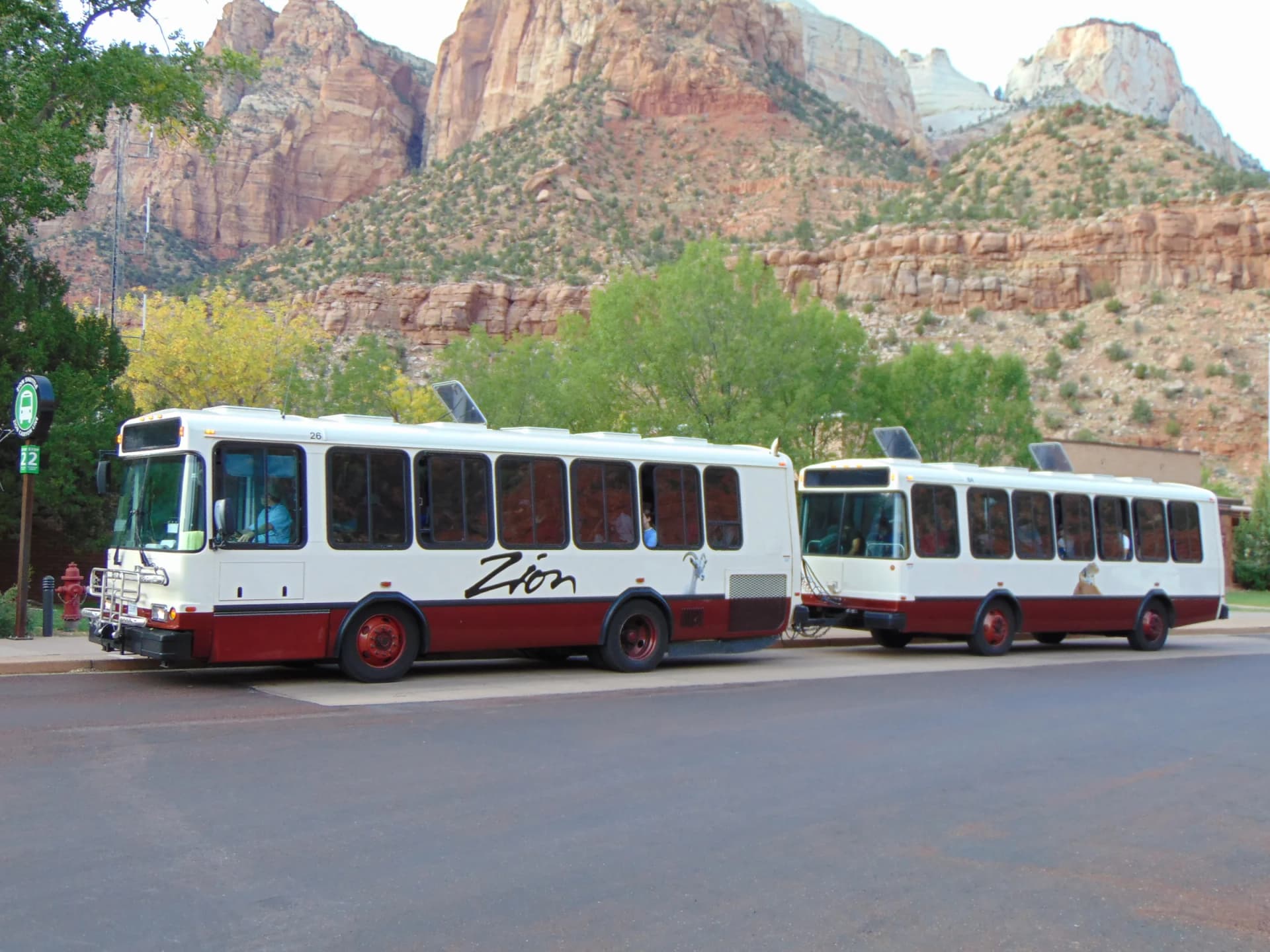
Note: Zion: no reservation to enter. The shuttle needs no ticket or reservation. Angels Landing beyond Scout Lookout needs a permit from Recreation.gov: a $6 application and $3 a person if you win, through a seasonal lottery and a day-before lottery. The lottery for hikes from 1 Dec to 28 Feb takes applications from 1 to 20 Oct (NPS Angels Landing permit page, updated 8 Oct 2026, read 14 Oct 2026)
Note: Canyonlands: "Timed entry reservations are not required to enter the park" (NPS Canyonlands fees page, updated 18 Apr 2025). Bryce Canyon and Capitol Reef: their fees pages describe no entry reservation system (NPS, updated 14 May 2026 and 29 Dec 2025). All read 14 Oct 2026
Visit Utah's busy-season page still says an Arches timed-entry ticket is required from April through October. That page has no date. NPS is the park's own source and is newer, so we use NPS.
Zion's shuttle runs to 28 November 2026 and stops from 29 November to 25 December. Our Zion shuttle guide has the hours.
Best time to visit
Note: Visit Utah: Arches peak is May to September, with March, April and October mild. Bryce Canyon is busiest May to July and September. Canyonlands is busiest April to May and September to October, with summer extreme heat and flash flood risk. Capitol Reef peak is April to July and September to October. Zion peak is March to October. Crowds are heaviest from 8 a.m. to 4 p.m. (Visit Utah, Southern Utah busy season page, undated, read 14 Oct 2026)
Note: Bryce Canyon: temperatures drop below freezing almost every night from October to May. December to February is the coldest and snowiest, and snowstorms in October are not unusual. July and August bring brief afternoon thunderstorms. Summer highs are in the 70s to low 80s F (NPS Bryce Canyon weather page, read 14 Oct 2026)
Note: Capitol Reef: July and August highs average about 88 to 91 F. January highs are near 41 F. Monsoon storms from July to September can cause flash floods (NPS Capitol Reef weather page, read 14 Oct 2026)
Our view: April, May, September and October balance mild weather against crowds. Summer gives the most daylight but hot days at Arches and Canyonlands. Winter is quiet, but Bryce Canyon is cold and snowy and some roads and lodging close. Check each park's page for road status before you go.
What we checked and what can change
Checked on 14 October 2026: NPS fees pages for Zion, Bryce Canyon, Arches, Canyonlands and Capitol Reef, and NPS's main fee page; NPS Arches news release of 18 February 2026 and Plan Your Visit page; NPS Zion Angels Landing permit page; NPS Zion, Arches and Capitol Reef directions pages; NPS Bryce Canyon and Capitol Reef weather pages; Visit Utah's Mighty 5 itinerary and busy-season pages.
Not confirmed: most drive times, the exact miles between Bryce Canyon, Capitol Reef and Moab (travel guides only), and lodging prices. We did not drive these routes. Fees, permits and road status can change, so read each park's page the week you go.