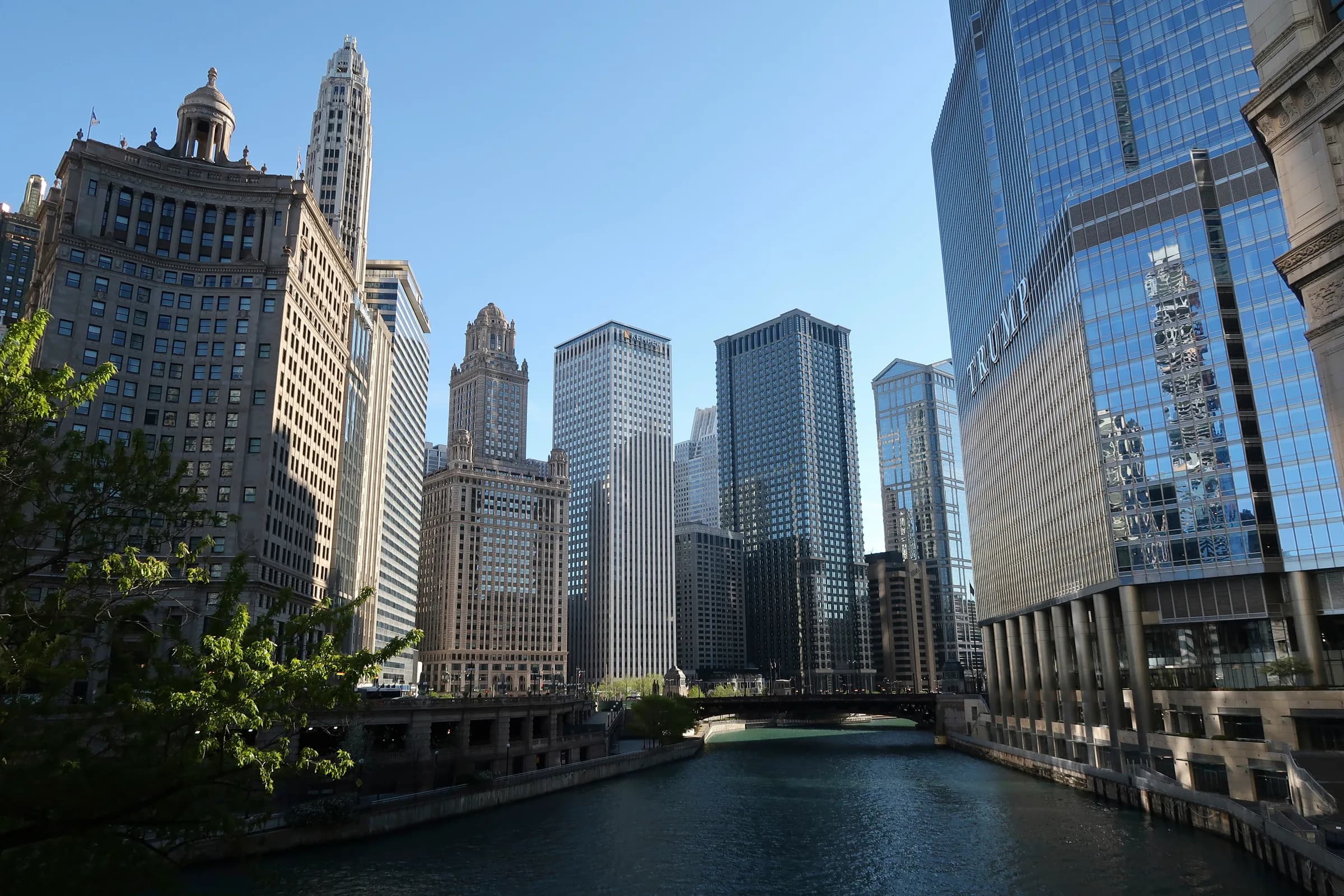
Chicago is the American city that makes the car-free case without trying: both airports on the train, a hotel corridor stacked along one subway line, and a lakefront that runs for 18 miles of path. The decisions are small — which station to sleep near, which pass to buy — and this page makes them.
Where to stay: the Red Line corridor
| Area | Station | Best for | Watch out for |
|---|---|---|---|
| River North | Grand (Red) | First visits — the densest hotel stock, restaurants, the river | Weekend nightlife noise on the bar blocks |
| Streeterville / Mag Mile | Chicago (Red) | Shopping, Navy Pier, the lakefront on foot | Priciest corridor |
| The Loop | Clark/Lake, Washington, Monroe | The Art Institute, Millennium Park, every L line | Quiet after offices empty |
| West Loop | Morgan (Green/Pink) | The restaurant row, newer hotels | A transfer from the lakefront |
| Wicker Park | Damen (Blue) | Second visits, the city's cool end, O'Hare direct | Twenty minutes from the Loop |
Subway: The rule is a station within five minutes' walk — River North and the Loop make that trivial
Price: $150–300 for the mid-tier along the corridor, more on the Mag Mile, less in Wicker Park and the West Loop (our band)
For a first visit, River North around Grand is the answer: 80-plus hotels inside a ten-minute walk, the Riverwalk at the end of the block, and the Red Line to everything else.
The L and Ventra
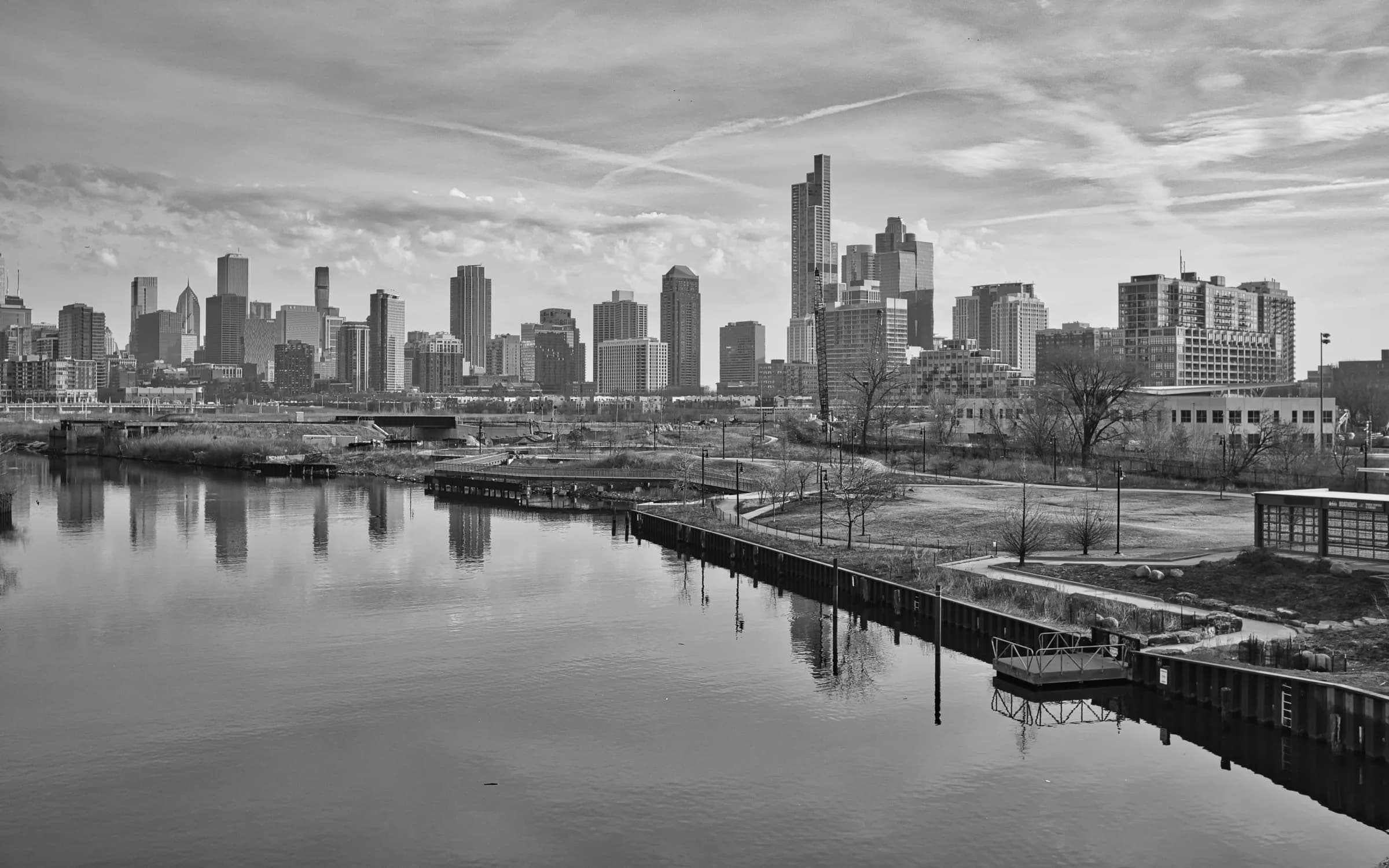
Subway: Eight colour-coded lines; the Red Line is the visitor's spine, the Brown Line the scenic loop above the streets, the Blue Line the airport run
Price: Ventra card, bank card or phone tapped at the turnstile — a flat fare per L ride, slightly less by bus, two-hour transfers; one-day pass around $10 (our estimate)
Hours: Red and Blue lines run 24 hours; the rest roughly 4am to 1am
Buses fill the east–west gaps — the 146 and 151 along the lakefront are the useful ones — and the Divvy bikes make the lakefront path a ride rather than a walk.
Both airports, by train
Getting there: O'Hare: Blue Line from under Terminal 2 to the Loop, about 45 minutes, 24 hours; the "Train to City" signs lead down from arrivals
Getting there: Midway: Orange Line, about 25 minutes to the Loop, a covered walkway from the terminal; last trains around 1am
Price: A higher fare applies boarding at O'Hare; Midway is a standard fare. Taxis run $40–60 from O'Hare in traffic (our estimate)
If fares are close, fly into Midway — it is nearer and the Orange Line is quicker. O'Hare's Blue Line is the better late-night arrival, because it never stops running.
The day outside: a national park by commuter train
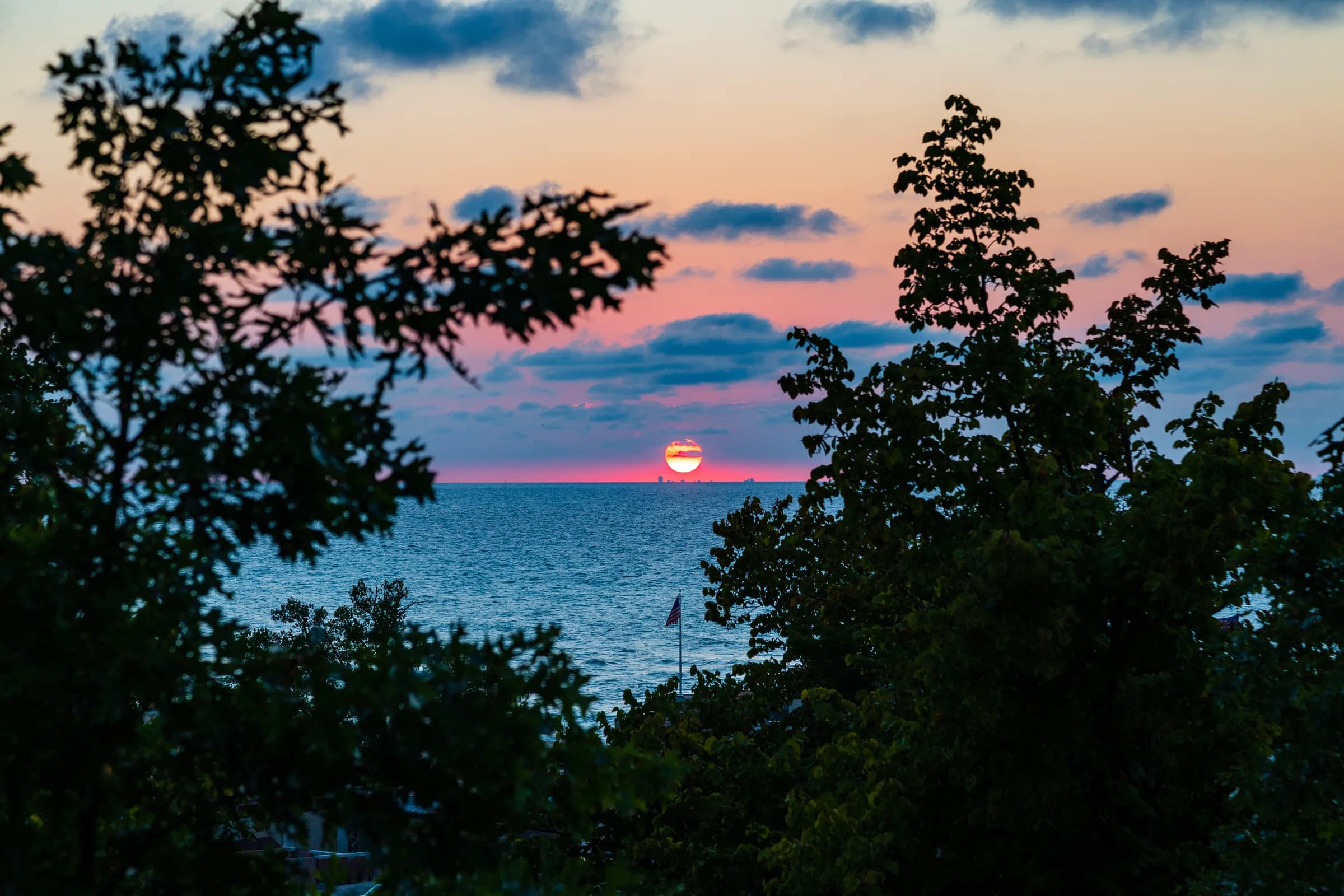
Getting there: South Shore Line from Millennium Station to Dune Park or Beverly Shores, about 85 minutes; the park entrance is a walk from either
The national park across the lake is Chicago's best-kept day trip.
What first-timers get wrong
-
Booking by the airport. O'Hare hotels are forty minutes from anything; sleep downtown and ride the Blue Line out.
-
Driving to the lakefront. The path is for walking and cycling; the beaches are a bus away.
-
Rush hour on the L. 7–9 and 4–6 are packed; the museums are open either side.
-
Underestimating winter. November to March the wind off the lake decides the itinerary; the Pedway and the museums are the answer.
Beyond Chicago without a car
Milwaukee is 90 minutes by Amtrak's Hiawatha; St. Louis four and a half hours on the Lincoln Service.
What is checked here and what is not
Lines, stations and airport links are stable and checked on the date shown; fares and hotel rates are our estimate of the current range.