America built itself around the car and then quietly kept one region where you never need it. The trick to a car-free US trip is not stubbornness — it is picking the geography that was electrified a century ago, treating the West as a set of corridors, and letting flights do what trains here honestly cannot.
The reliable skeleton
| Leg | Time | How it feels |
|---|---|---|
| Boston → New York | ~3.5–4 h | Coastline, then suburbs, then the skyline |
| New York → Philadelphia | ~1.5 h | Barely time to open the laptop |
| Philadelphia → Washington DC | ~1.75 h | The capital arrives downtown, not at Dulles |
| LA → San Diego (Surfliner) | ~2.75 h | The Pacific out the left-side windows |
| Seattle → Portland (Cascades) | ~3.5 h | Firs, water, volcanoes on a clear day |
Each piece of the plan below — the corridor, the cities, the West, and the booking game.
The Northeast Corridor, properly used
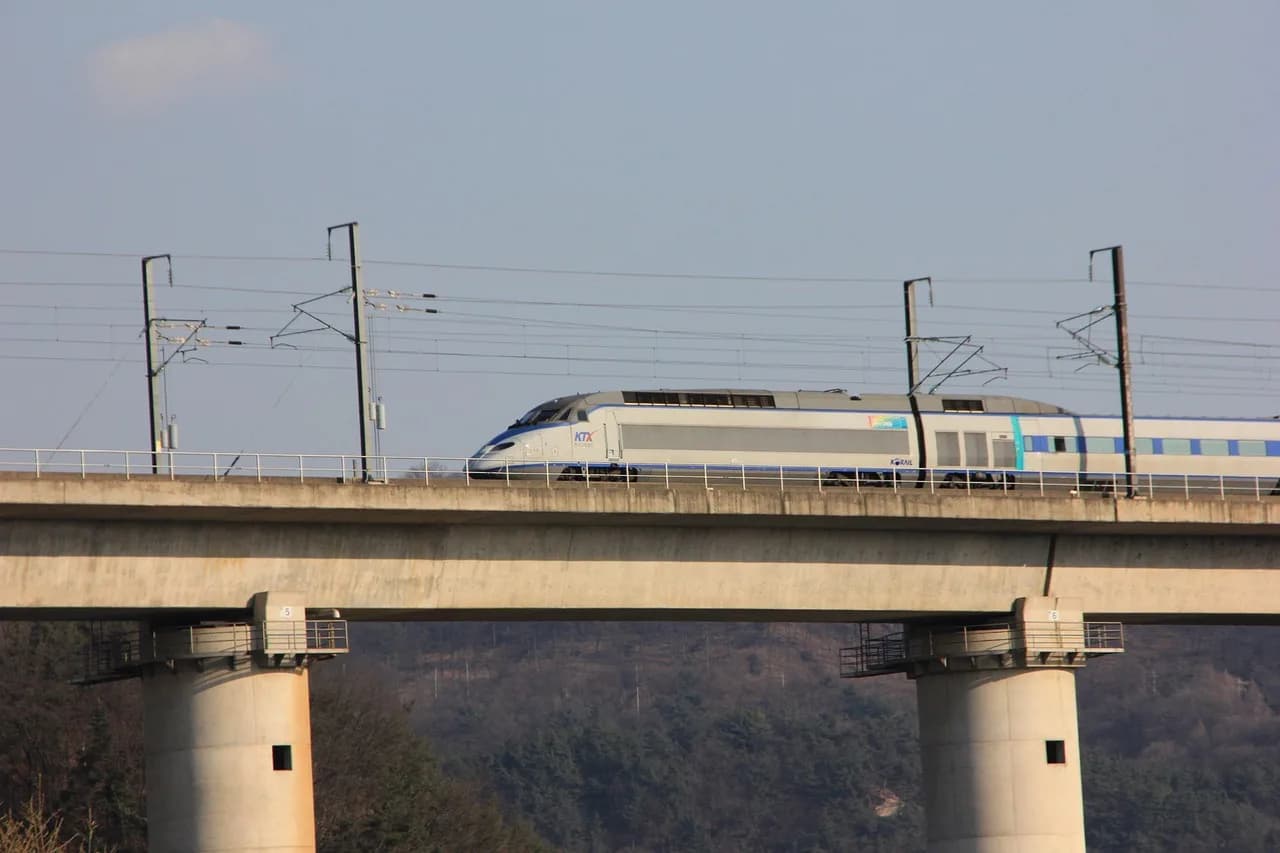
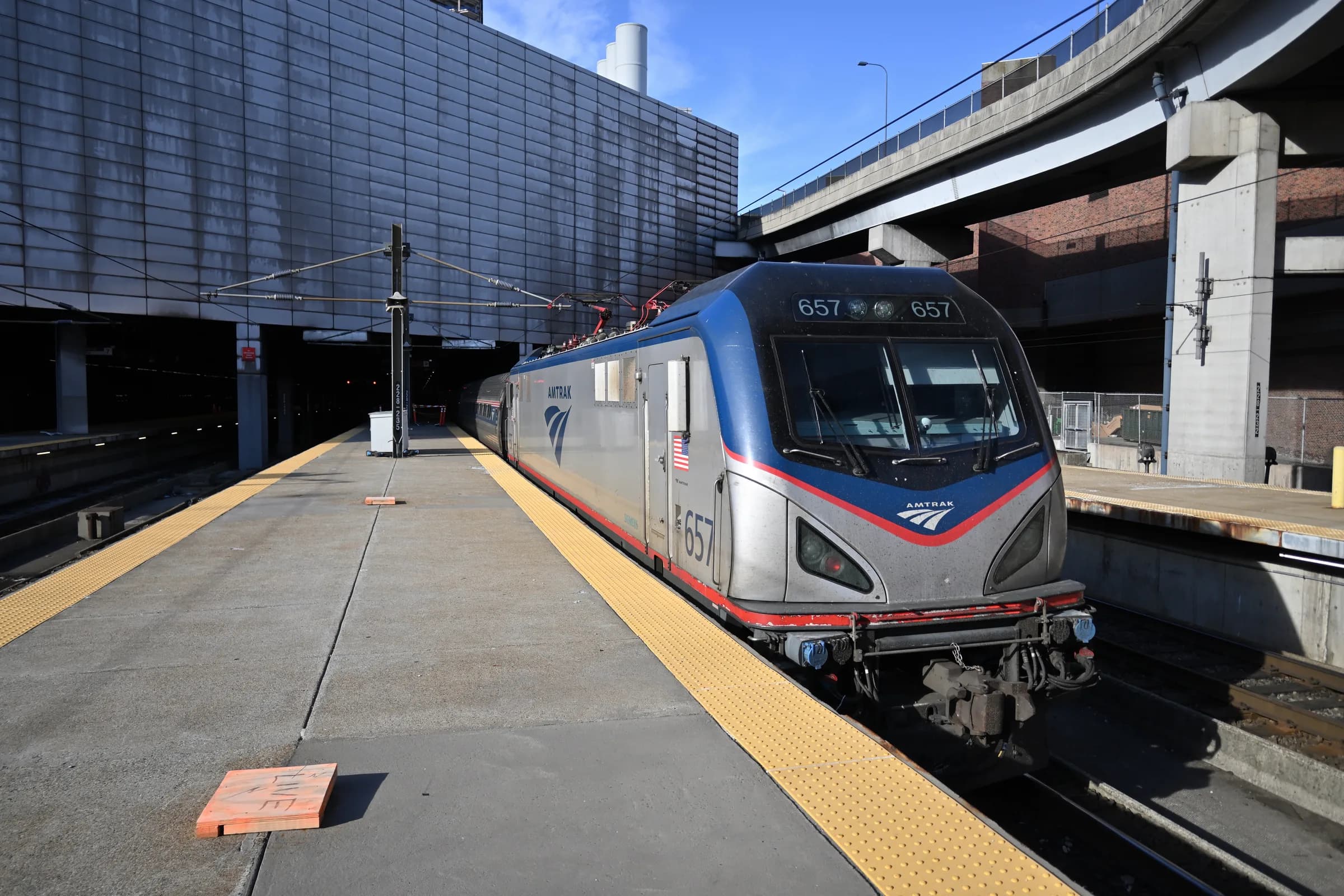
Getting there: Amtrak Northeast Regional and Acela, Boston–New York–Philadelphia–DC; trains run through the day at airline frequency
Price: Regional booked weeks ahead sits far below walk-up fares — the pricing is dynamic, airline-style (our estimate)
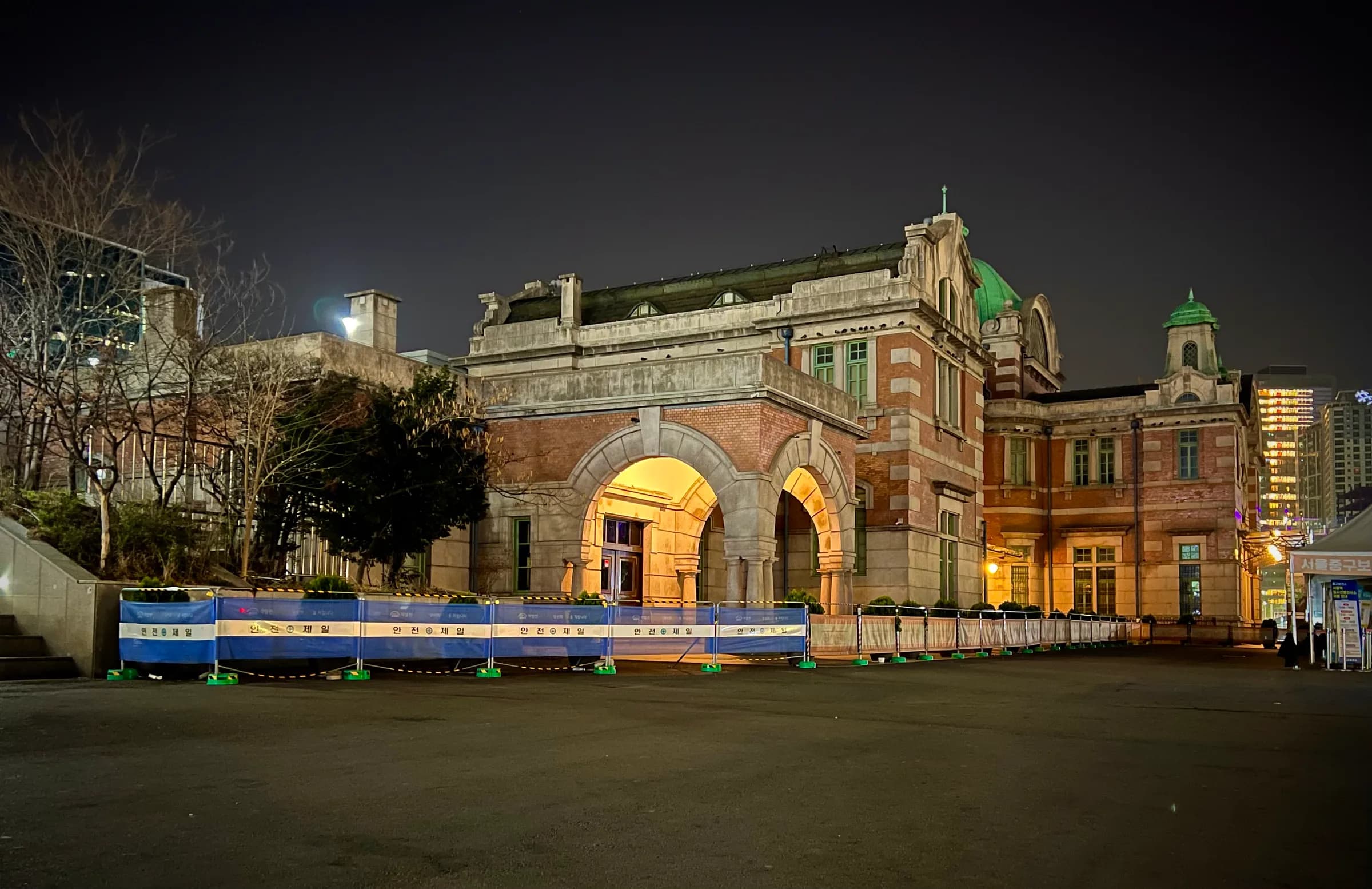
Note: Stations are downtown at every stop — South Station, Moynihan, 30th Street, Union Station — which deletes four airport transfers from the trip
Ten days, four cities, zero driving: this is the itinerary the corridor was made for. The Regional does everything the Acela does twenty minutes slower and much cheaper; the Acela earns its fare only when a meeting, not a vacation, sets the clock. Luggage rolls on with you — no fees, no belts, no gate sprint.
The cities, ranked honestly
Subway: Fully car-free: New York, DC, Boston, Chicago, Philadelphia, San Francisco — transit plus walking covers the visitor map entirely
Note: Seattle: light rail airport-to-downtown and a walkable core. Los Angeles: genuinely workable now — Metro to Santa Monica, Hollywood and downtown — but spread out enough that rideshare still patches evenings
The first six need no caveats; a visitor who never thinks about cars will never miss them. Chicago deserves special mention as the Midwest hub — the L from both airports, a lakefront you walk for miles, and Amtrak corridors radiating to Milwaukee and St. Louis for the ambitious.
The West, without self-deception
Getting there: Pacific Surfliner hugs the coast LA–San Diego; Cascades links Seattle–Portland–Vancouver; the Coast Starlight does SF–LA in twelve scenic hours
Note: San Francisco to Los Angeles is the honesty checkpoint — the train is a day-long cruise, lovely and slow; the one-hour flight is how the itinerary actually moves
The West rewards corridor thinking: pick two linked cities and ride the good trains between them, rather than forcing a rail road-trip across distances the network was never built for. The Surfliner with a sea-side seat is one of American rail's genuine pleasures; so are the Cascades' volcano views — as legs, not as the whole plan.
Where the car-free plan honestly ends
National park loops, desert Southwest circuits, small-town road trips — still driving country, with narrow exceptions a train does reach. And the day-into-nature version of car-free travel has its own playbook:
The booking game, in four lines
-
Book rail like airfare — weeks ahead for corridor legs, flexible on time of day for the cheap buckets.
-
One app — Amtrak's own; e-tickets, no check-in.
-
Seats — unreserved on most Regionals, so board early at origin stations for the window.
-
Transit at each end — buy the local tap-card or just tap a credit card; every city on this page accepts one or the other at the gate.