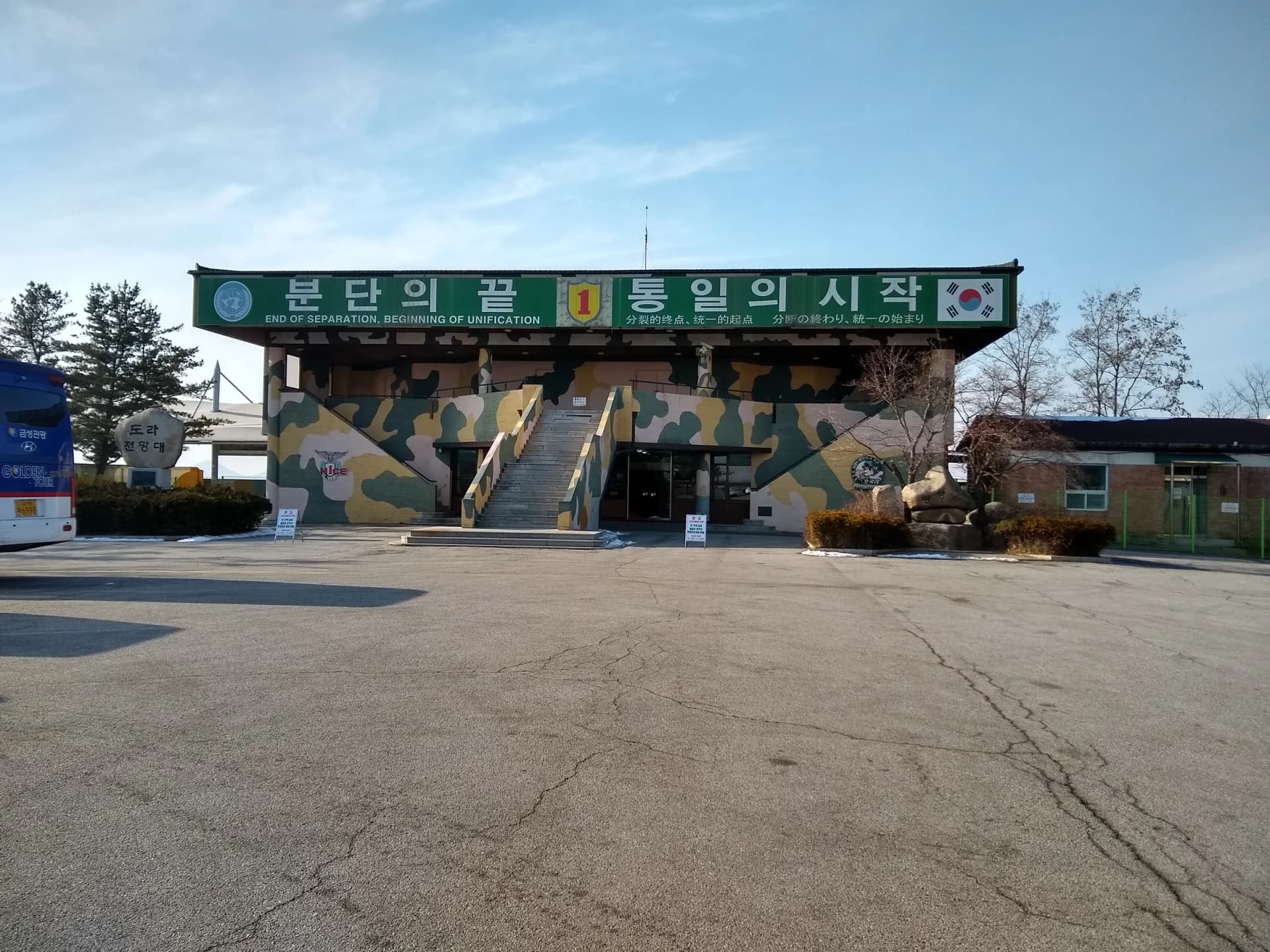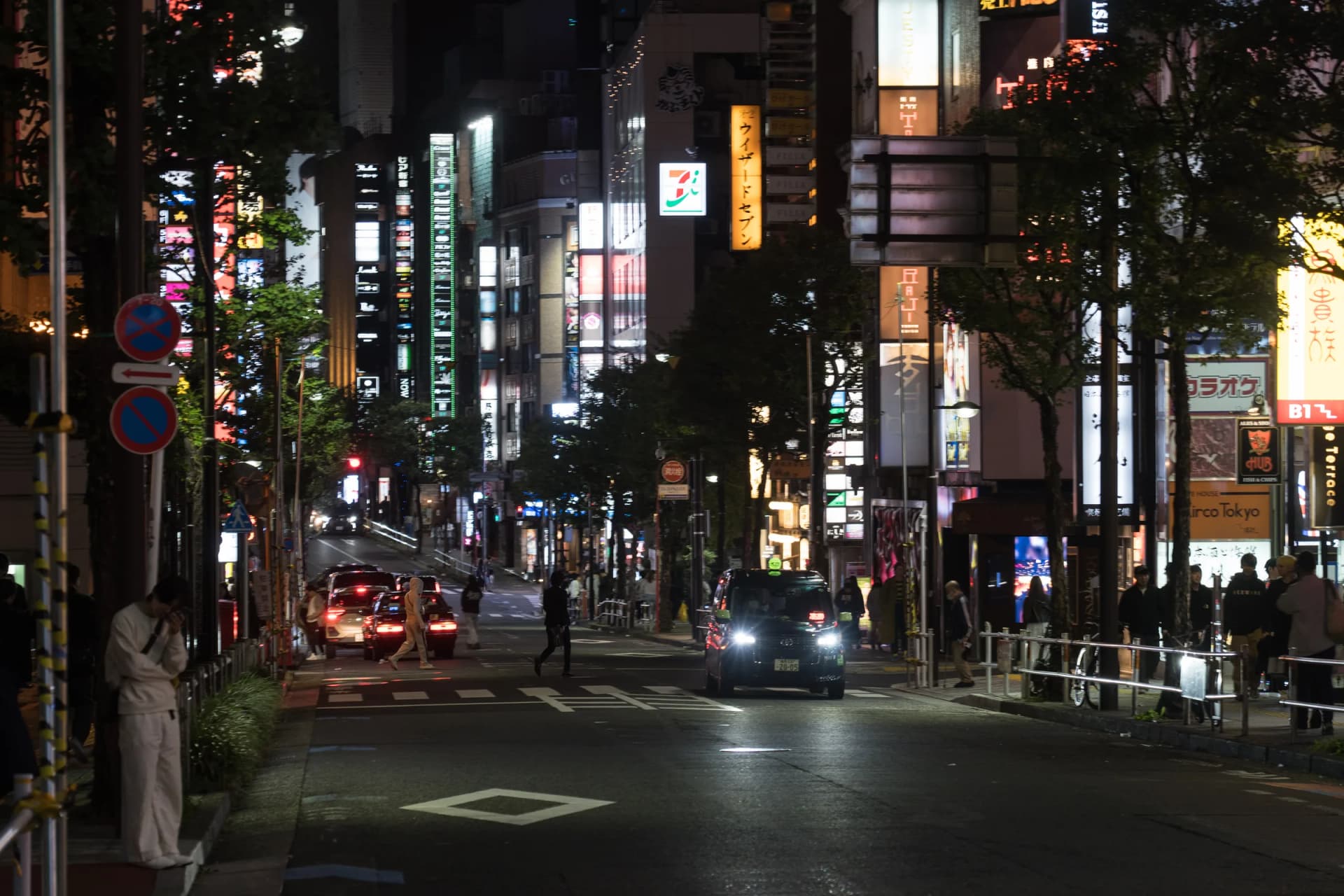
For 7 days per person, not counting flights, we get about $430–740 for Korea and $660–910 for Japan. Korea is cheaper, mostly because of hotels and the intercity train. Local transit costs about the same, and cheap meals are close. All dollar numbers use the Federal Reserve exchange rate of 30 October 2026.
The prices behind this page fall into two groups:
-
Checked on operator pages on 4 November 2026: subway, airport train and Shinkansen fares in Japan, subway, airport train and KTX fares in Korea, palace and garden tickets, and the tax refund rules.
-
Estimates, not confirmed on an official page: hotel rooms and cheap meals. They come from booking-site averages and our own Korea guides, and we flag them where they appear.
Is Korea cheaper than Japan in 2026?
Yes, on every row we priced except local transit. One traveler, 7 days and 6 nights, sharing a double room. Mid-range hotels, cheap local meals, trains and subways. Seoul and Tokyo, plus one intercity round trip: Seoul to Busan, and Tokyo to Kyoto.
| Item | Korea (Seoul) | Japan (Tokyo) | Checked? |
|---|---|---|---|
| Hotel, 6 nights, your half of a room | $202–405 | $305–457 | Estimate |
| Cheap meals, 3 a day for 7 days | $110–189 | $128–192 | Estimate |
| Local subway, 7 days | $33–49 | $32–49 | Operator fares |
| Airport train, both ways | $7–19 | $16–33 | Operator fares |
| Intercity train, round trip | about $82 | $177 | Operator fares |
| Total | about $430–740 | about $660–910 |
At the low end Korea is about 34% cheaper, and at the high end about 18%. At the middle of each range it is about 25%.
So Korea wins by roughly a quarter, and the hotel and train rows decide most of it.
What exchange rate does this page use?
Price: US$1 = ₩1,333.99 and ¥157.47 on 30 October 2026, the Federal Reserve's noon buying rates in New York (H.10 release of 2 November 2026)
Note: In the week of 26 to 30 October 2026 the won ranged from ₩1,326.17 to ₩1,344.12 per dollar, and the yen from ¥157.47 to ¥158.24 (same release)
These are reference rates, not a bank's selling rate. Card and cash rates are a little worse, and both rates move daily.
So every dollar figure here is the local price divided by the 30 October 2026 rate.
How much do hotels cost in Seoul vs Tokyo?
This is the biggest gap and the least certain row. No official body publishes hotel room prices, so both sides are estimates.
Price: Korea (estimate): ₩90,000–180,000 a night for a mid-range room near Seoul Station, from our Seoul stay guides (checked 9 Oct 2026). Half a room for 6 nights is ₩270,000–540,000, or $202–405
Price: Japan (estimate): ¥16,000–24,000 a night for a 3-star hotel in Tokyo, a Wego booking-site average dated 26 June 2026. Half a room for 6 nights is ¥48,000–72,000, or $305–457
Check the same dates and the same star level on the booking site you use. Tokyo hotel prices vary more by district and by day of the week than this row shows.
So expect the hotel row to favor Korea, but price your own dates before you trust the size of the gap.
How much does food cost in Korea vs Japan?
Cheap, simple meals cost about the same in both countries. This row is also an estimate.
Price: Korea (estimate): ₩7,000–12,000 for a bowl of gukbap or kalguksu, or a meal at a kimbap shop, from our solo dining guide (checked 9 Oct 2026). Three a day for 7 days is ₩147,000–252,000, or $110–189
Price: Japan (estimate): ¥960–1,440 for a ramen or set lunch, a Wego average dated 26 June 2026. Three a day for 7 days is ¥20,160–30,240, or $128–192
A sit-down dinner costs more in both countries, and we did not price it.
So if you eat cheaply, food barely moves the total.
How much is the subway and airport train in Seoul vs Tokyo?
Local transit is the one row where the two cities match. Both sides now come from the operators.
Price: Seoul subway: ₩1,550 per ride with a transit card for the first 10 km, plus ₩100 for each extra 5 km up to 50 km. A single-journey ticket costs ₩100 more (Seoul Metro fare page, read 4 Nov 2026). At 4 to 6 base-fare rides a day for 7 days: ₩43,400–65,100, or $33–49
Price: Tokyo subway: since 14 March 2026 the Tokyo Subway Ticket costs ¥1,000 for 24 hours, ¥1,500 for 48 hours and ¥2,000 for 72 hours, and the Tokyo Metro and Toei one-day ticket costs ¥1,100 (Tokyo Metropolitan Government release of 30 Jan 2026). Two 72-hour tickets plus one 24-hour ticket is ¥5,000, and seven one-day tickets ¥7,700: $32–49
Price: Incheon Airport: the AREX all-stop train from Seoul Station costs ₩4,750 to Terminal 1 and ₩5,350 to Terminal 2 with a transit card. The express costs ₩13,000 for adults and takes 43 minutes to Terminal 1 and 51 minutes to Terminal 2 (AREX all-stop fares and express page, read 4 Nov 2026). Both ways is ₩9,500–26,000, or $7–19
Price: Narita Airport: the Keisei Access Express from Terminal 1 to Asakusa costs ¥1,290. The Skyliner to Ueno or Nippori costs ¥2,470 on Keisei's fare table but ¥2,580 on its discount ticket page, or ¥2,310 bought online (all read 4 Nov 2026). Both ways is ¥2,580–5,160, or $16–33
We did not price Haneda Airport or Gimpo Airport.
Note: Tokyo Metro sells the Tokyo Subway Ticket to overseas visitors and to Japanese visitors who live outside Tokyo, Kanagawa, Saitama, Chiba, Ibaraki, Tochigi, Gunma and Yamanashi. It lists ¥1,000 for 24 hours, ¥1,500 for 48 hours and ¥2,000 for 72 hours for adults, half for children (Tokyo Metro Tokyo Subway Ticket page, read 4 Nov 2026). Its own 24-hour ticket for Tokyo Metro lines only costs ¥700 (Tokyo Metro 1-Day Open Tickets page, read 4 Nov 2026)
So budget about $33–49 for a week of subway rides in either city, and a little more for the airport in Tokyo.
How much is the KTX vs the Shinkansen?
This is the second-biggest gap. Both fares are the operators' own figures.
Price: Japan: Tokyo to Kyoto on a Nozomi, reserved ordinary seat, ¥13,970 one way in regular season, or ¥13,650 on a Hikari or Kodama. Peak and off-peak dates add or take off ¥200 (smartEX price sheet, JR Central and JR West, "as of April 1, 2025", read 4 Nov 2026). A Nozomi round trip is ¥27,940, or $177
Price: Korea: Seoul to Busan on the KTX, ₩54,400 one way since 1 September 2026, down from ₩59,800, when KTX and SRT merged (Korail press release, 5 Aug 2026, read 4 Nov 2026). A round trip of ₩108,800 is about $82
Korail's release gives the fare without naming the seat class, and Korail's live fare search blocked our reader on 4 November 2026, so we could not see a fare for a single train.
So the bullet train costs about twice as much in Japan as in Korea on these two routes.
How much do palace and garden tickets cost?
We did not add sights to the totals, since everyone picks different ones. Here are two common first-visit tickets, from the official pages.
| Ticket | Price | In US$ | Winter hours | Closed |
|---|---|---|---|---|
| Gyeongbokgung Palace, Seoul (adult, 19 to 64) | ₩3,000 | $2.25 | 9:00 to 17:00, last entry 16:00 | Tuesdays |
| Seoul palace pass (4 palaces and Jongmyo) | ₩6,000 | $4.50 | Each site's own hours | Each site's own day |
| Shinjuku Gyoen, Tokyo (adult) | ¥500 | $3.18 | 9:00 to 16:30, last entry 16:00 (1 Oct to 14 Mar) | Mondays |
Price: Gyeongbokgung: ₩3,000 ($2.25) for foreign adults aged 19 to 64, ₩2,400 each in a group. Changdeokgung costs ₩3,000, and its Secret Garden tour ₩5,000 more. Changgyeonggung and Deoksugung cost ₩1,000 each (Royal Palaces fee page, read 4 Nov 2026)
Hours: Gyeongbokgung opens 9:00 to 17:00 from November to February, 9:00 to 18:00 in March to May and September to October, and 9:00 to 18:30 in June to August. Last entry is 1 hour before closing, and it is closed on Tuesdays (Royal Palaces hours page, read 4 Nov 2026)
Price: Seoul palace pass: ₩6,000 ($4.50), good for 6 months, one entry each to the 4 palaces and Jongmyo, not the Secret Garden. Each site keeps its own hours and closed day (same fee page)
Price: Shinjuku Gyoen: ¥500 ($3.18) for adults, ¥250 for over-65s and students, free for junior high age and under. Open 9:00 to 16:30 from 1 October to 14 March, last entry 16:00. Closed Mondays, except 25 March to 24 April and 1 to 15 November (Shinjuku Gyoen admission page, read 4 Nov 2026)
So sight tickets cost a few dollars in both cities and do not change which country is cheaper.
How do tax refunds compare in 2026?
Both countries refund tax to tourists on larger purchases, but the method differs.
Note: Japan: for purchases on or after 1 November 2026, you pay the full price and get the consumption tax back after customs confirms the goods leave Japan. The minimum is ¥5,000 before tax per store per day, customs must confirm within 90 days of purchase, and the terminals are in the departure lobby before check-in (Japan Tourism Agency, read 4 Nov 2026)
Note: Korea: the minimum is ₩15,000 per receipt. Participating shops take the tax off at the till for a single payment of ₩15,000 to under ₩1,000,000, up to ₩5,000,000 per trip. You must leave Korea within 3 months of buying (VisitKorea tax refund page, last updated 21 Oct 2025, read 4 Nov 2026)
So in Korea you often save the tax at the till, and in Japan you now wait for it at the airport.
What can change the answer?
These four things can move the gap more than any row in our table:
-
Airfare. We did not price it. A cheap fare to one city can outweigh the whole gap in this table. Our guide to nonstop routes shows where US flights to Seoul land.
-
Hotel level. The top of the Korean hotel range ($405) is above the bottom of the Japanese one ($305).
-
Where you go. Seoul to Busan and Tokyo to Kyoto are not the same distance. Our table prices one trip each, not equal kilometers.
-
The exchange rate. A 5% move in the won or the yen against the dollar moves that country's total by 5%.
So price your own flights and hotel dates before you rely on the gap in this table.
What we checked and what can change
Read on 4 November 2026:
-
The Federal Reserve H.10 release of 2 November 2026: won and yen per dollar for 26 to 30 October 2026.
-
The Seoul Metro fare page: ₩1,550 base fare, distance steps, single-ticket surcharge.
-
The AREX all-stop fare table and express page: ₩4,750, ₩5,350, ₩13,000, 43 and 51 minutes.
-
The Tokyo Metropolitan Government release of 30 January 2026: Tokyo subway pass prices from 14 March 2026.
-
Tokyo Metro's Tokyo Subway Ticket page and 1-Day Open Tickets page: who may buy the pass, ¥1,000 to ¥2,000, and ¥700 for Tokyo Metro lines only.
-
Keisei's Skyliner fare table, discount ticket page and Access Express fare table.
-
Korail's press release of 5 August 2026: the KTX fare from Seoul to Busan fell from ₩59,800 to ₩54,400 on 1 September 2026.
-
The smartEX reserved-seat price sheet: Tokyo to Kyoto ¥13,970 (Nozomi) and ¥13,650 (Hikari, Kodama).
-
The Royal Palaces fee page and hours page.
-
The Japan Tourism Agency refund page and the VisitKorea tax refund page.
Not confirmed: the KTX fare for a single train on Korail's live search (it showed a block for unusual activity), hotel and meal prices in both countries (booking-site averages and our own guides, not official pages), and airfare, Haneda and Gimpo costs, mobile data and sit-down dinners, which we did not price. We did not test these numbers on a real trip.
Prices are estimates and ranges, and both exchange rates will have moved by the time you read this.