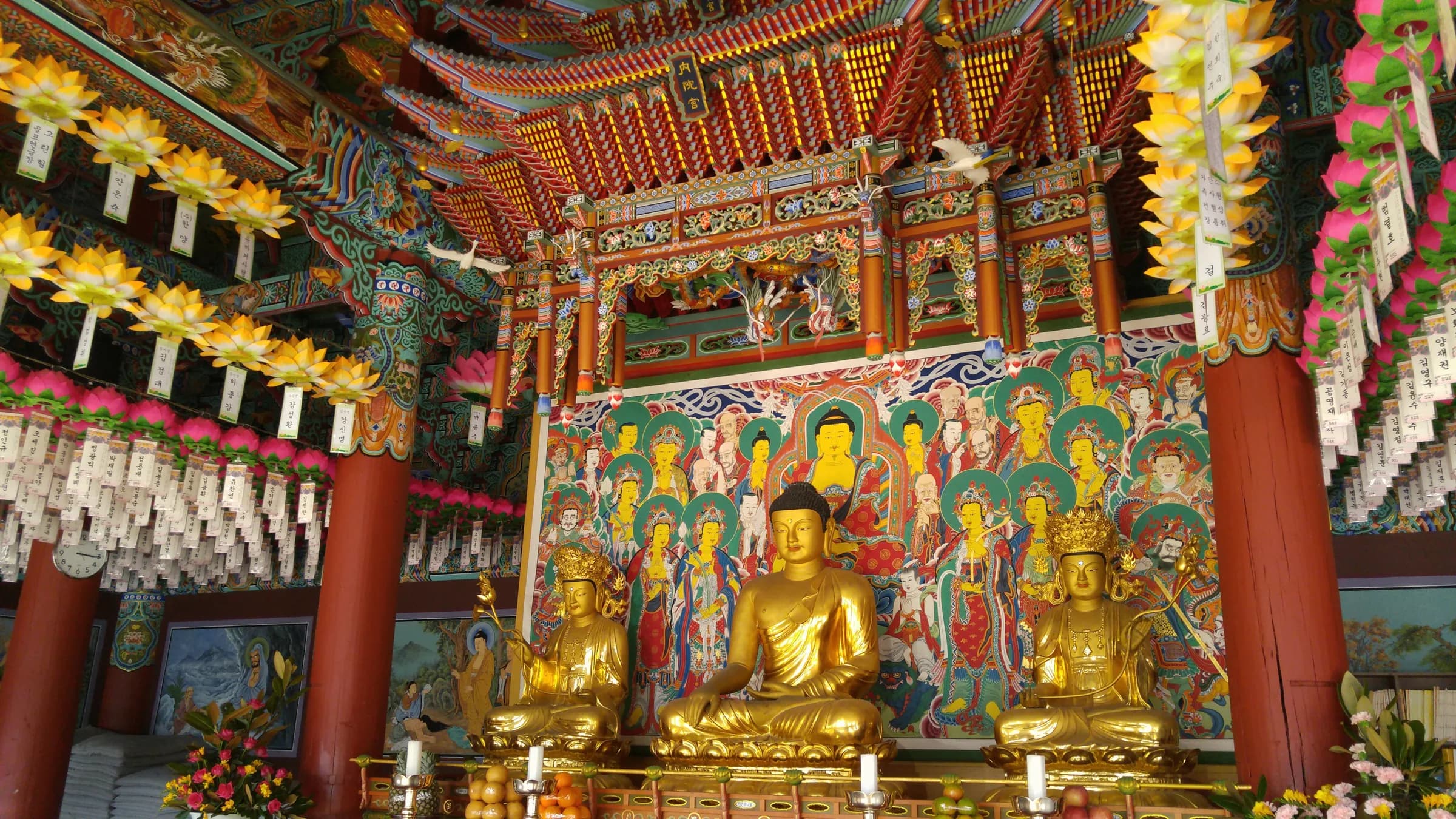
Gwangju asks something few Korean cities ask — that you arrive knowing a date. May 18th, 1980 is written into bus numbers, street names and the sunken culture complex where the Provincial Hall stood, and the city's memorials explain modern Korea better than any palace can. Then it feeds you, enormously, because this is Jeolla, and sends you up its mountain.
The shape of the two days
| Day | Theme | Anchor | The eating |
|---|---|---|---|
| 1 | Memory & the centre | May 18th sites → ACC | Tteokgalbi, Chungjang-ro |
| 2 | Mountain & markets | Mudeungsan via Jeungsimsa | Yangdong Market, then 1913 Songjeong |
The map below carries the stops in order. Bus 518 to the National Cemetery is numbered for the date on purpose — the city does not do its remembering quietly.
Where to base
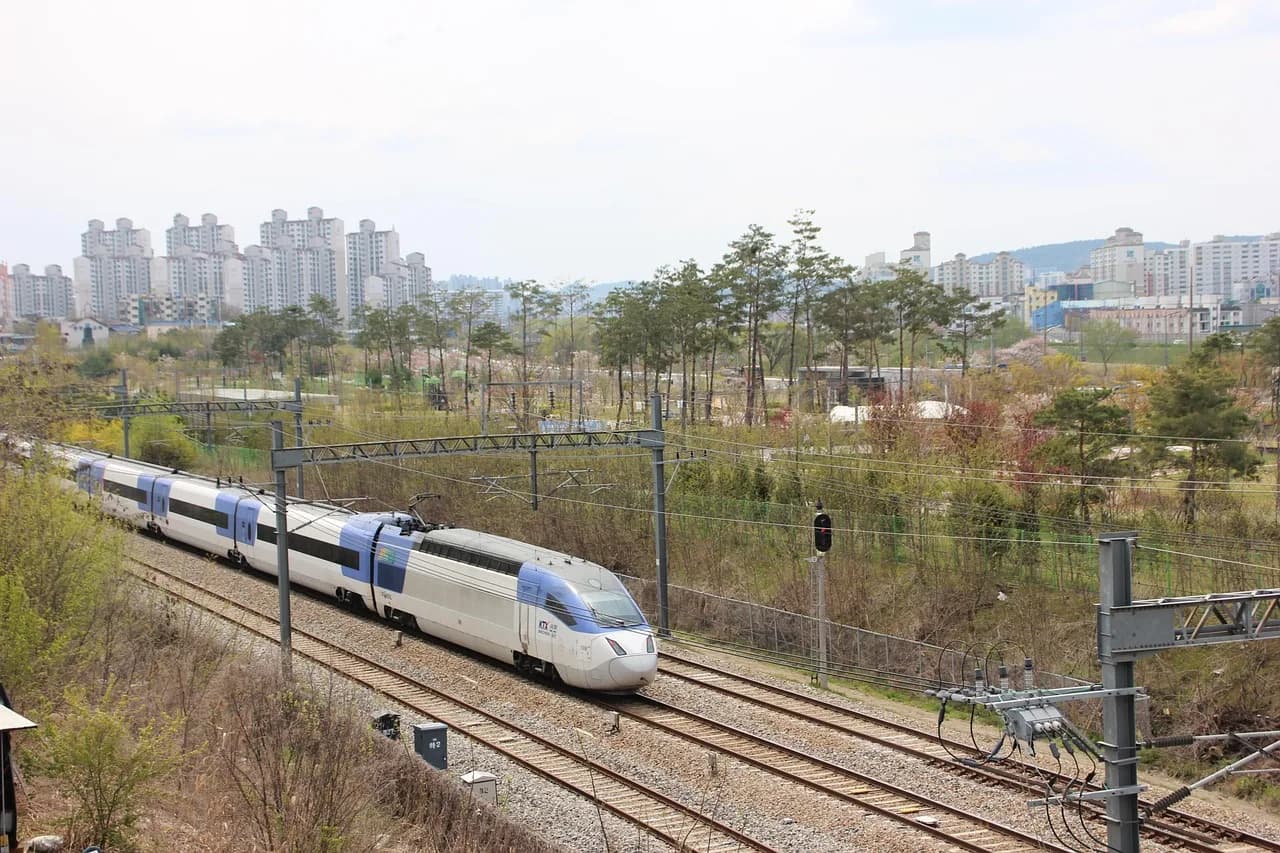
Subway: One metro line, Gwangju-Songjeong KTX to the centre; buses do the north–south work
Price: Downtown hotels near the ACC run ₩50,000–100,000 (our band)
Stay near the Asia Culture Center — day 1 surrounds it, Chungjang-ro's eating grid starts at its edge, and the evening belongs to downtown anyway.
Fitting Gwangju into a Korea trip
Gwangju anchors the southwest the way Busan anchors the southeast — and the KTX from Yongsan makes it a two-night loop from Seoul rather than an expedition. Pair it with for a trip with a spine, or cross to the southeast after: the Jeolla-to-Gyeongsang leg runs by intercity bus or the slower cross-country rail — simplest is the morning bus to Busan, about three hours. .