Korea has four seasons that actually behave like four seasons, which makes timing matter more here than in a lot of Asia. Two short windows are extremely popular, and the months on either side of them are frequently better value for very similar weather.
The short version
| Window | Weather | Crowds | Price |
|---|---|---|---|
| Late Sep – early Nov | Clear, mild | Moderate | Mid–high |
| Late Mar – mid Apr | Mild, blossom | Highest | Highest |
| May – June | Warm, green | Moderate | Mid |
| Jul – Aug | Hot, humid, monsoon | Beaches busy | Lowest in beach cities |
| Dec – Feb | Cold, dry, bright | Low | Low |
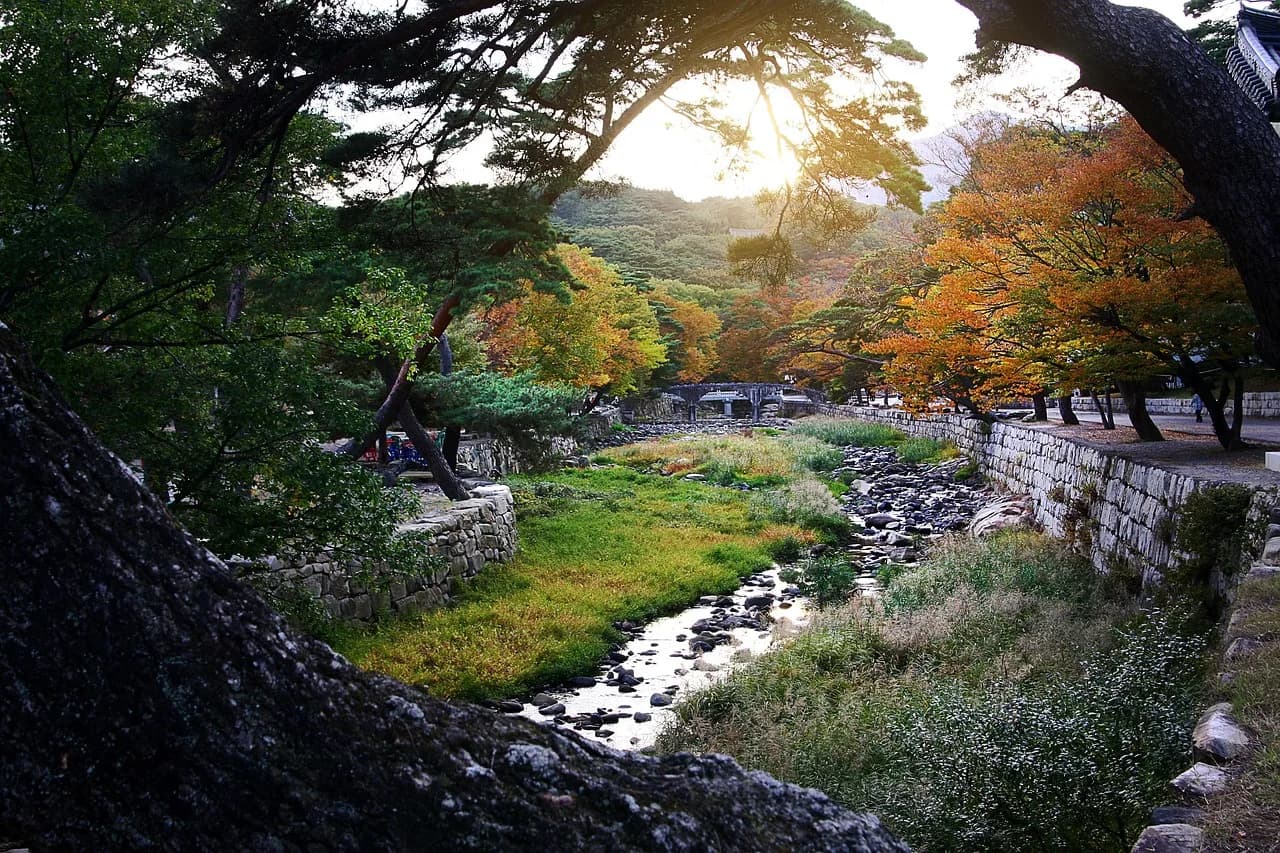
Autumn is the best answer for most trips
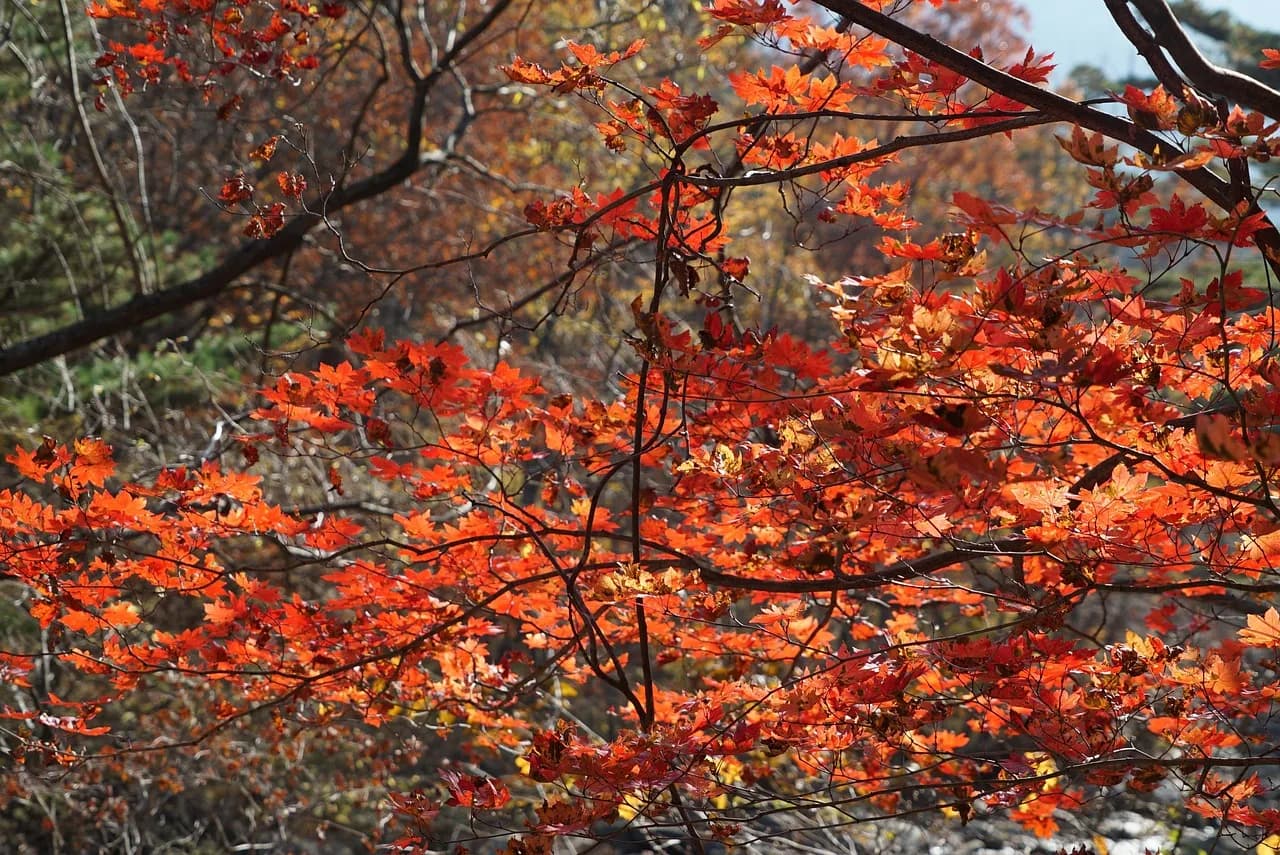
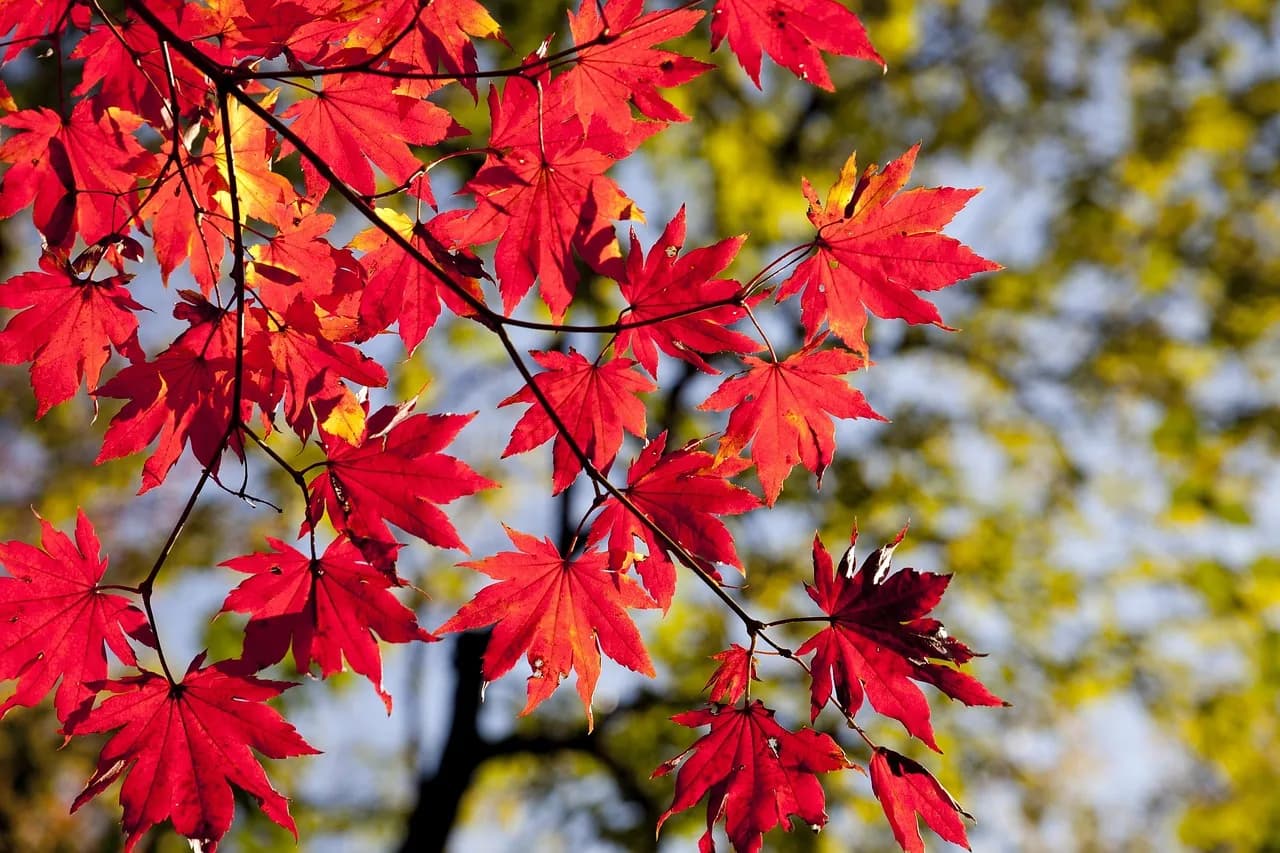
Clear air, comfortable temperatures, and colour that moves down from the mountains through late October and into November. Crowds are real but nothing like spring.
If you only read one line of this page: come in October.
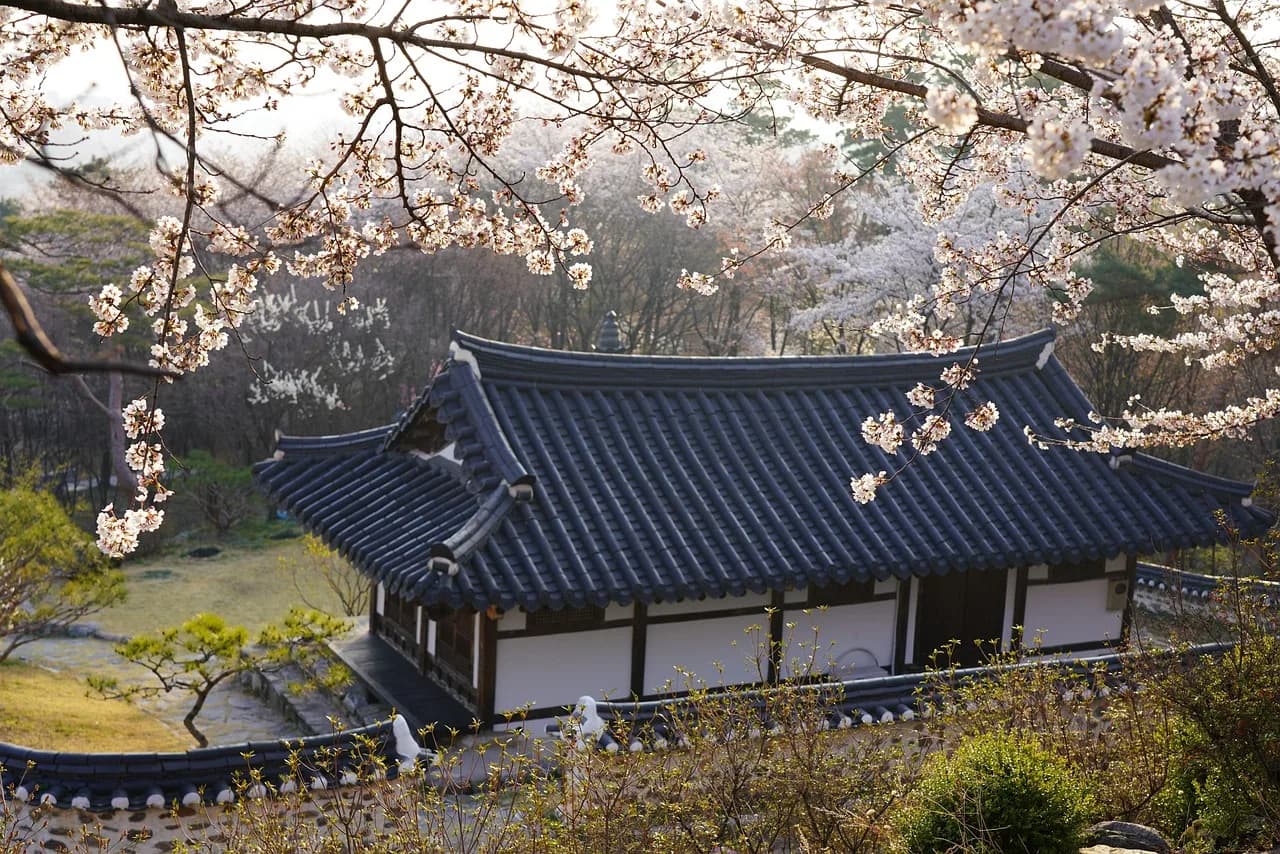
Spring is the most oversubscribed fortnight of the year
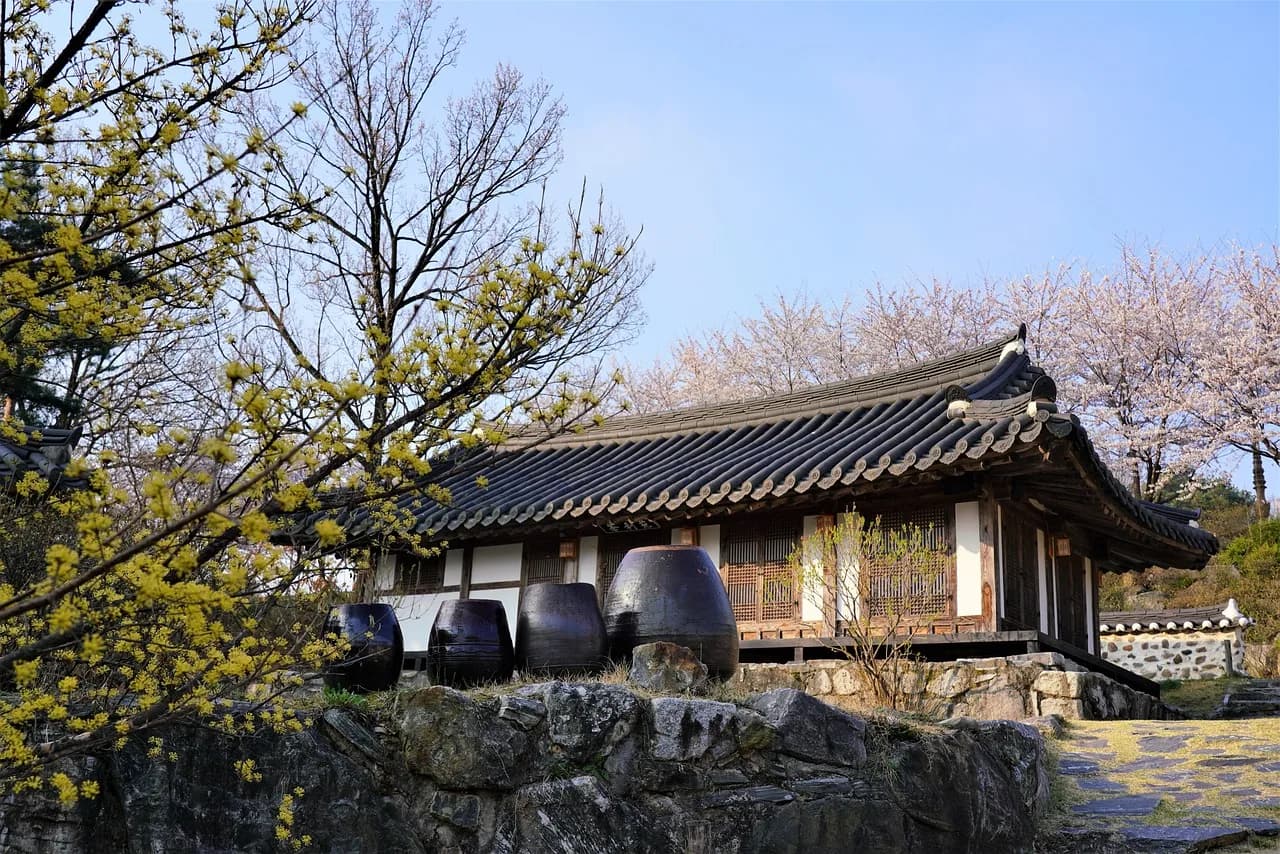
Blossom usually opens on Jeju and in the far south in late March and reaches Seoul in early April — but the dates move by a week or more every year depending on the winter, and forecasts are not published until February.
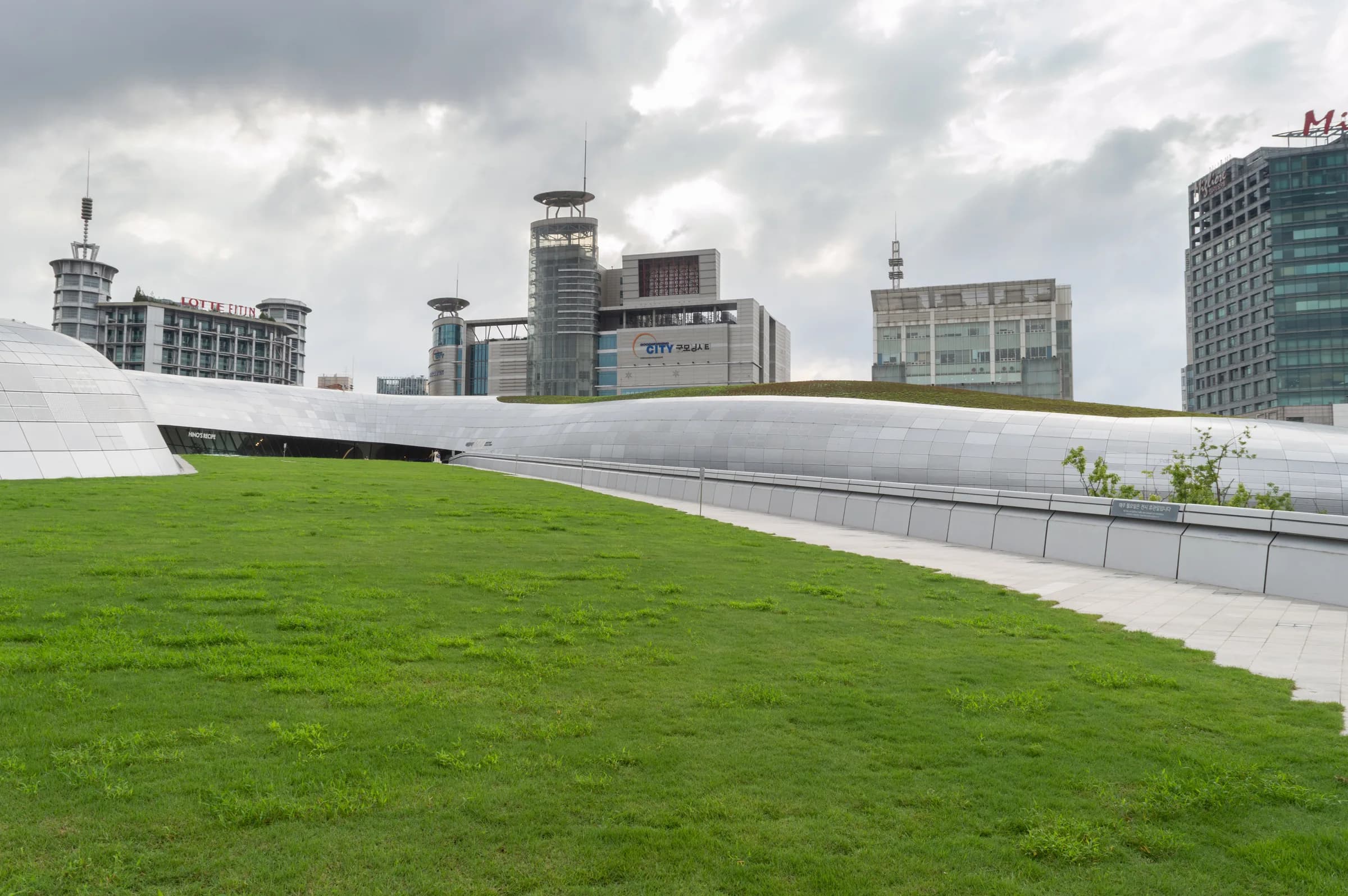
Summer is a trade, not a write-off
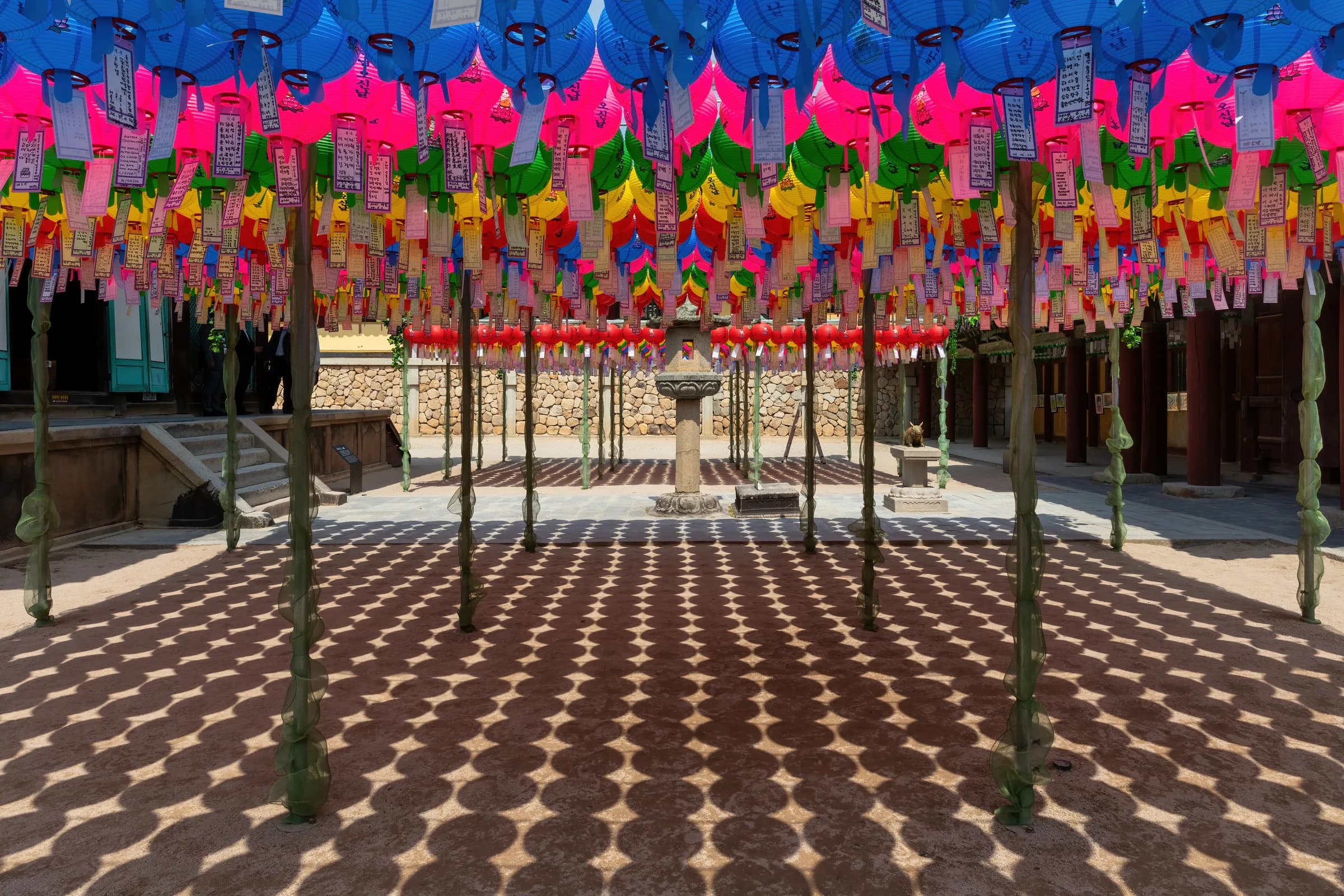
Hot, humid, and the monsoon brings heavy rain in parts of the season. It is also when the beach cities are at their liveliest and their cheapest outside the peak fortnight, and when the festival calendar is fullest.
Winter is underrated if you pack for it
Properly cold, especially with wind off the Yellow Sea, and the lowest prices of the year. It is also the only season in which the ski resorts and the ice festivals exist at all. The cities are clear and bright rather than grey.
What is checked here and what is not
The seasonal pattern is stable and is checked on the date above. Specific blossom and foliage dates are not stable and are forecast annually — see the dedicated guides rather than planning from the ranges here.