Korea reads as an expensive trip from India, and the reputation is about one line on the budget: the flight. On the ground, Seoul is kinder to a rupee budget than most people expect — cheaper than Japan for nearly everything, with street food and transit that make a frugal week genuinely pleasant rather than grim.
Every figure here is an estimate made in October 2026, converted at ₩1,000 ≈ ₹61, from fares and rates that move daily. The method is stated for each line so you can judge it; the live links are where the current number lives.
The budget, line by line (7 days, per person)
| Line | Backpacker | Mid-range |
|---|---|---|
| Visa (C-3-9 + centre fees) | ₹4,500–5,500 | ₹4,500–5,500 |
| Flights, return | ₹30,000–50,000 (one-stop) | ₹46,000–71,000 (direct) |
| Stay, 6 nights | ₹9,000–13,000 (dorm) | ₹22,000–45,000 (3-star double, shared) |
| Food | ₹9,000–13,000 | ₹18,000–28,000 |
| Transit + T-money | ₹2,500–4,000 | ₹3,000–5,000 |
| Sights and day trips | ₹3,000–6,000 | ₹8,000–15,000 |
| Total | ≈ ₹55,000–75,000 | ≈ ₹1,00,000–1,30,000 |
The flight dominates. A one-stop return from Delhi books from about ₹30,000 ahead of time; Korean Air's direct service — seven weekly from Delhi — typically runs ₹46,000 to ₹71,000 with sales from about ₹34,000. The stopover is the single biggest saving on the whole trip, paid for in four to eight extra hours each way.
The visa gates everything. ₹3,600 for single entry plus the VFS/BLS charge, ten to twelve working days, and it comes first — before the non-refundable fare, not after.
Where Korea is cheap, and where it is not
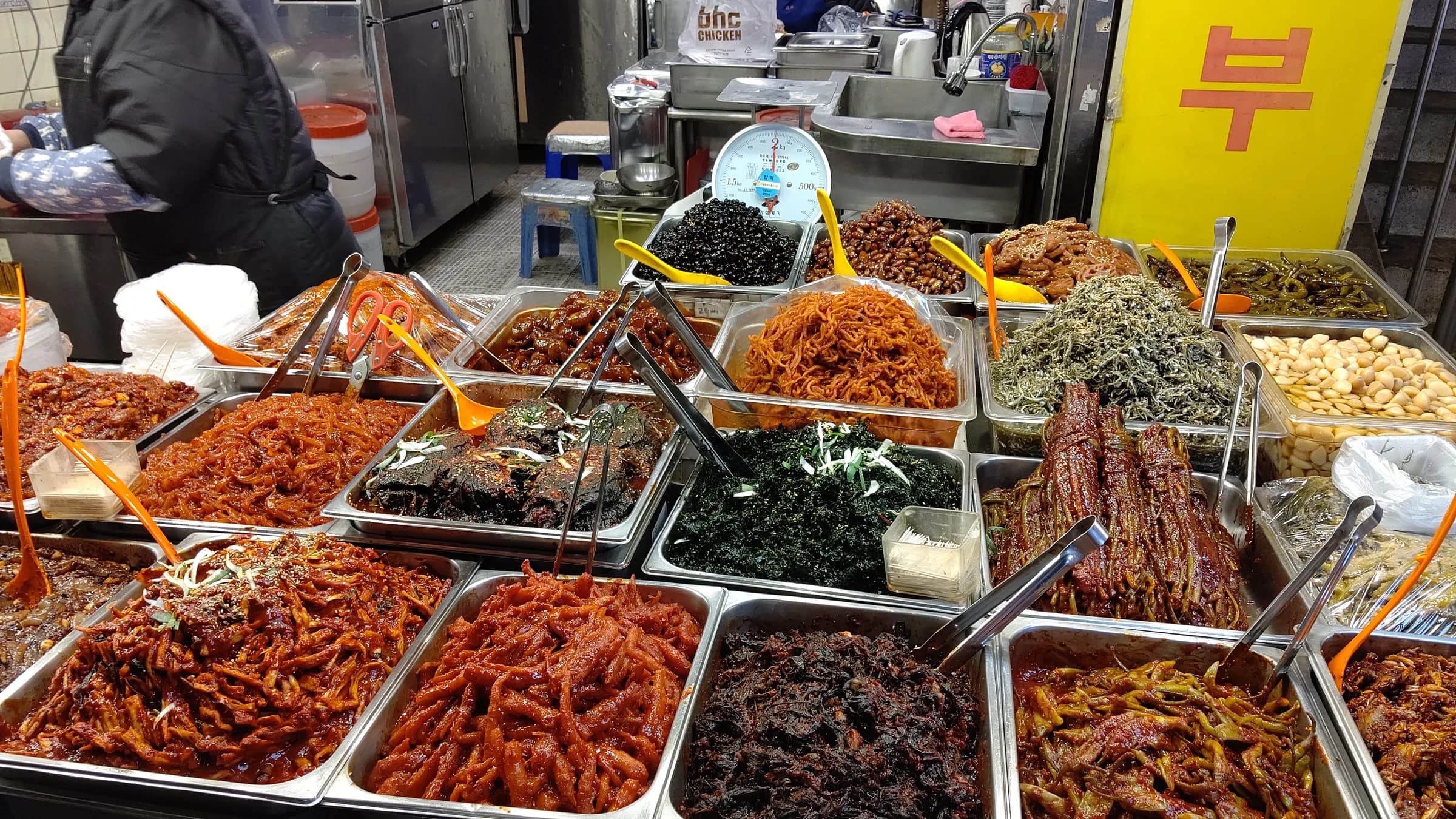
Cheap: eating. A gimbap or a bowl of gukbap runs ₩5,000–10,000 (₹300–600) and is dinner, not a snack. Convenience-store meals are a real food culture here, not a punishment. A proper restaurant meal is ₩10,000–20,000.
Cheap: moving around. The subway base fare is about ₩1,400 on a T-money card, and ₩5,000–10,000 a day covers serious sightseeing. The KTX to Busan is the one big transit line (about ₩59,800 standard) — budget it only if you are actually going.
Not cheap: beds in peak weeks. Cherry blossom, autumn foliage and summer beach season move room rates hard. A dorm bed is ₩20,000–35,000 most of the year; a decent double ₩60,000–120,000. The live links on the stay guides show your dates' truth.
Not cheap: impulse shopping. Skincare and fashion are the budget's quiet killer — plan that spend deliberately and claim the tax back properly.
Three levers that move the total most
- Book the one-stop flight early. The ₹20,000–30,000 saved versus a late direct fare is bigger than your entire food budget.
- Stay in Hongdae or Dongdaemun, not Myeongdong. Same subway map, meaningfully cheaper beds — the budget-stay guide below compares them.
- Travel the shoulders. Late March before blossom peak, or November after foliage, buys the same city at a visibly lower rate card.
These are planning bands, not quotes — fares move daily, rooms move with the calendar, and the rupee-won rate drifts. Check the live prices behind the stay and transit guides for your actual dates before locking a budget.