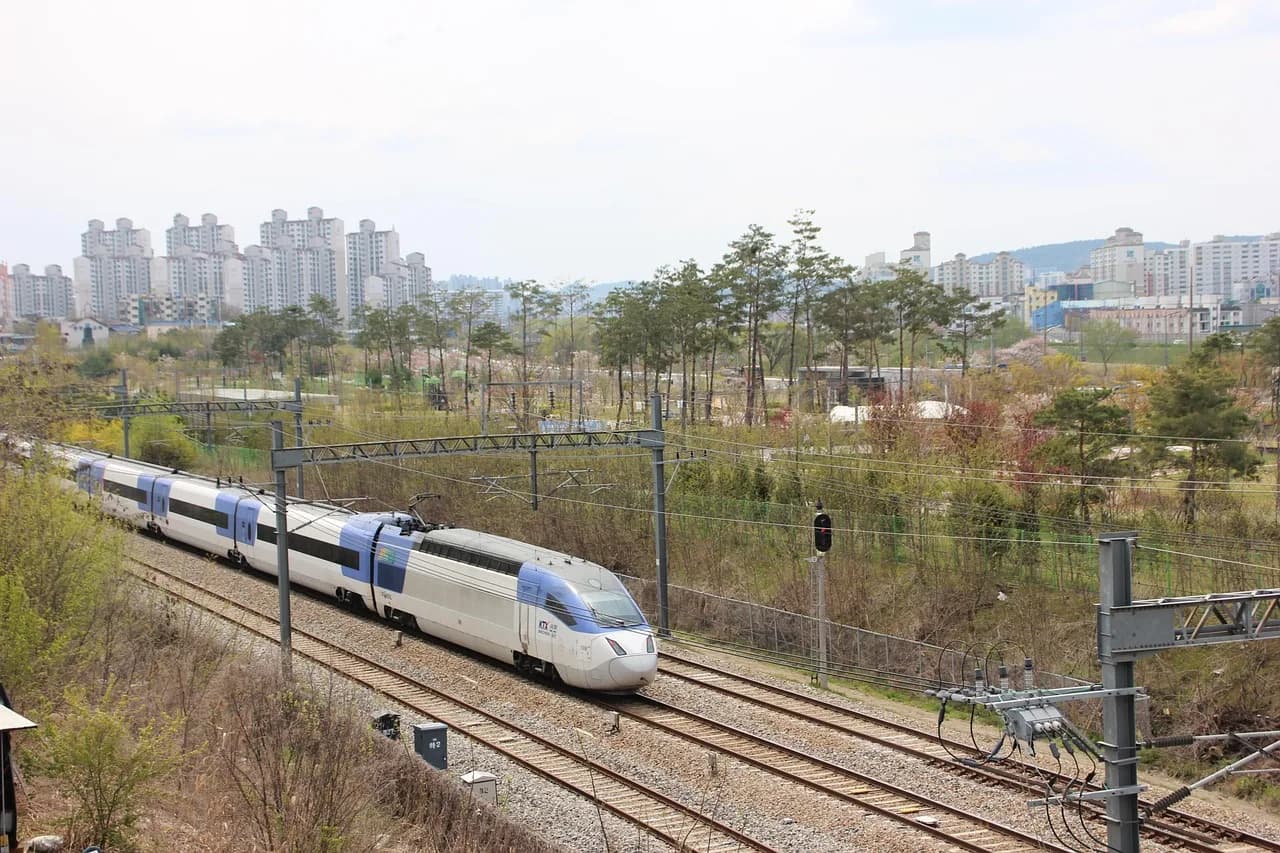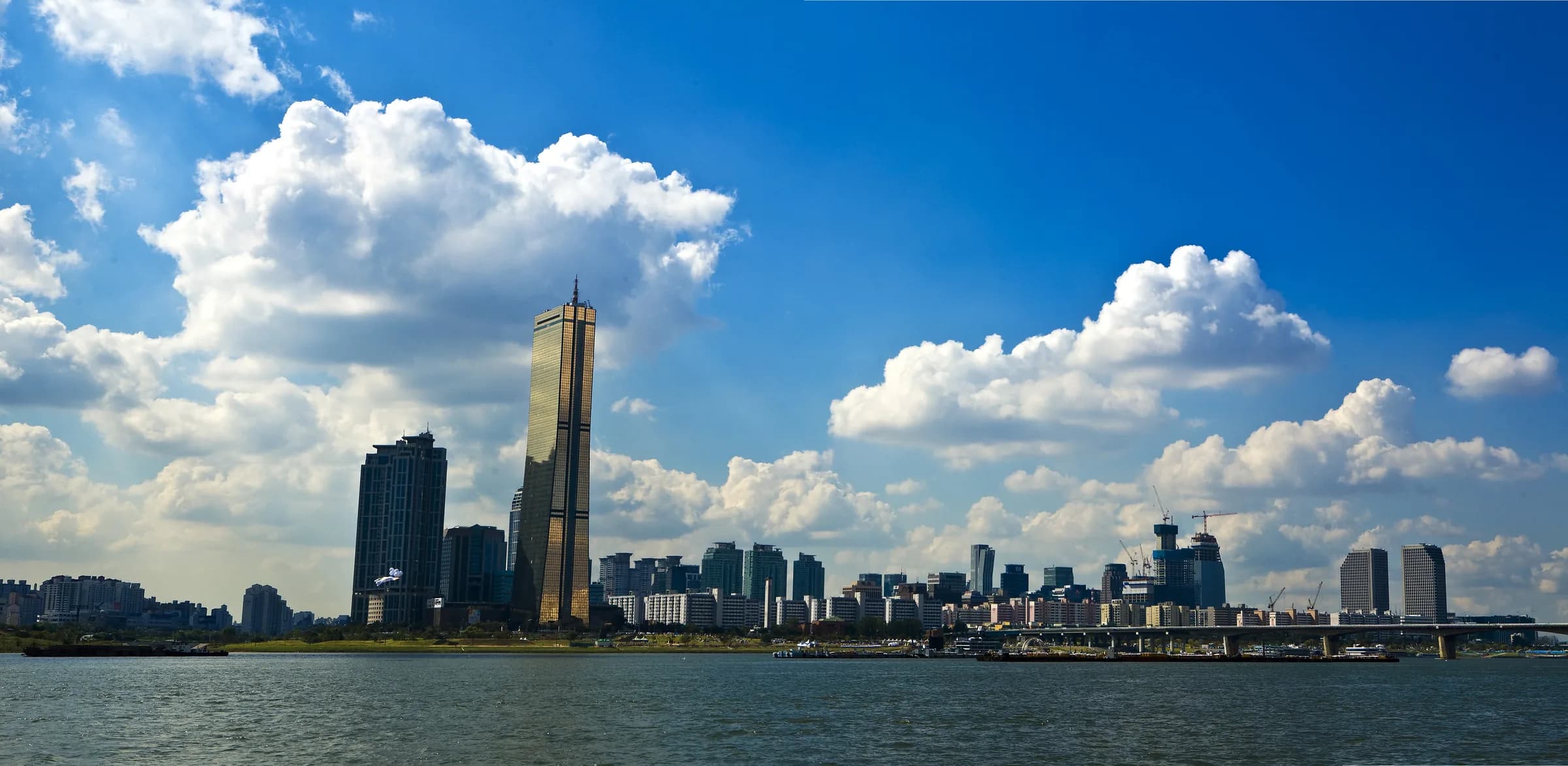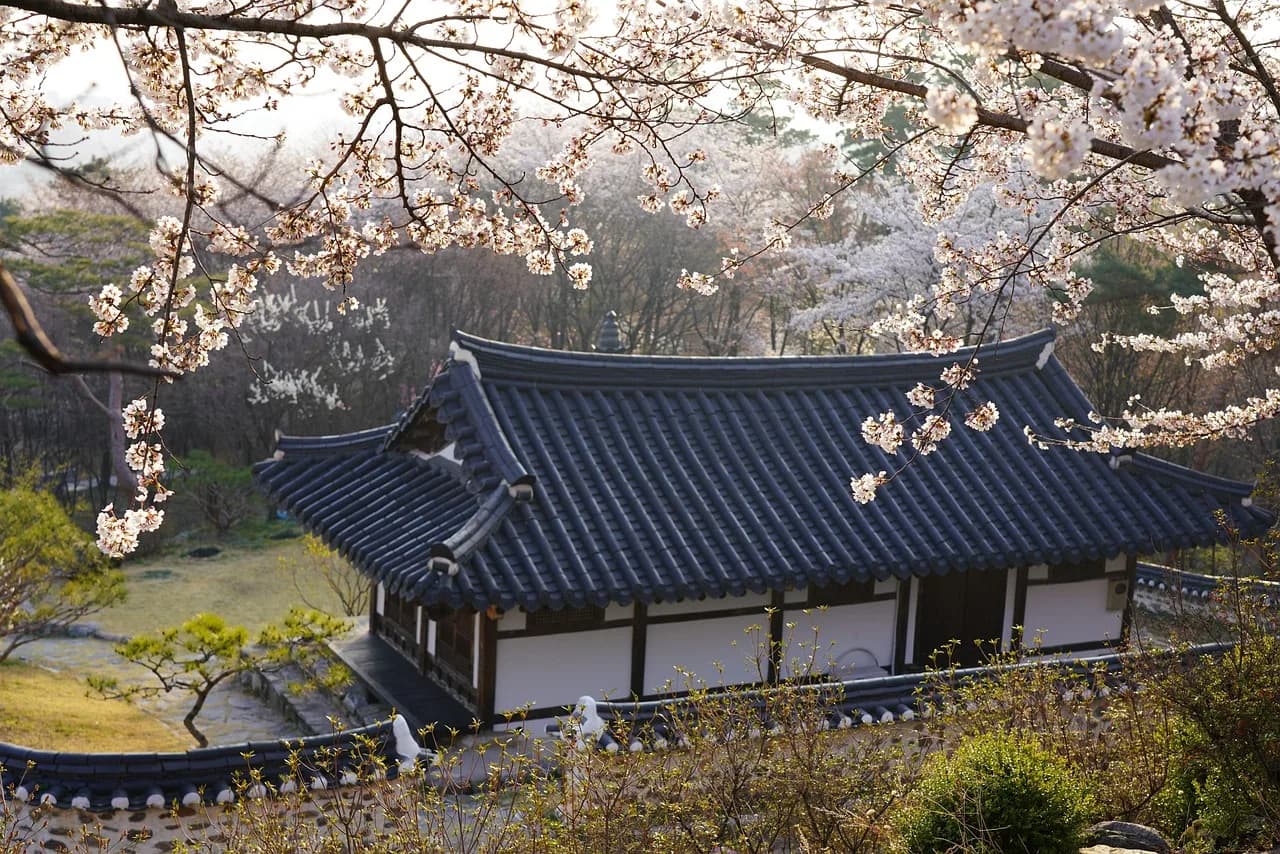
Cherry blossom is the single most oversubscribed thing in the Korean travel calendar, and the thing most guides get wrong about it is simple: the dates are not fixed.
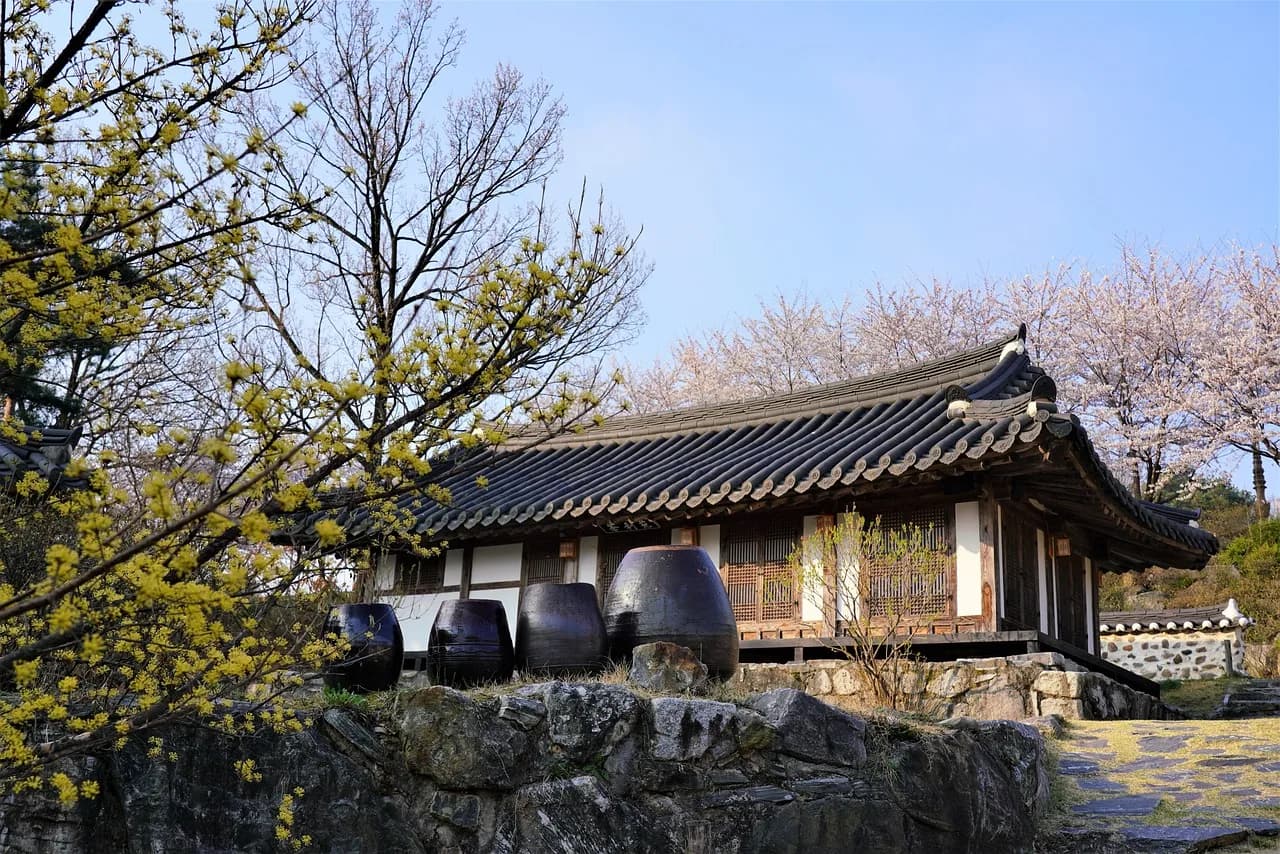
How the timing actually works
Blossom opens in the south and moves north. Jeju and the southern cities are usually first, in late March; Seoul follows in early April. Full bloom at any one spot lasts a few days, and the whole window in a given city is about a week.
That is a narrow target for a trip booked months ahead.
The forecast, and when it exists
Korea's blossom forecast is published in February, once the winter's temperatures are known, and revised as spring progresses. A warm winter pulls the dates forward; a cold one pushes them back, and the swing can exceed a week.
What this means for booking
-
If blossom is the reason for the trip, book flexible rates and leave slack
-
If blossom would be a bonus, book early April and accept the odds
-
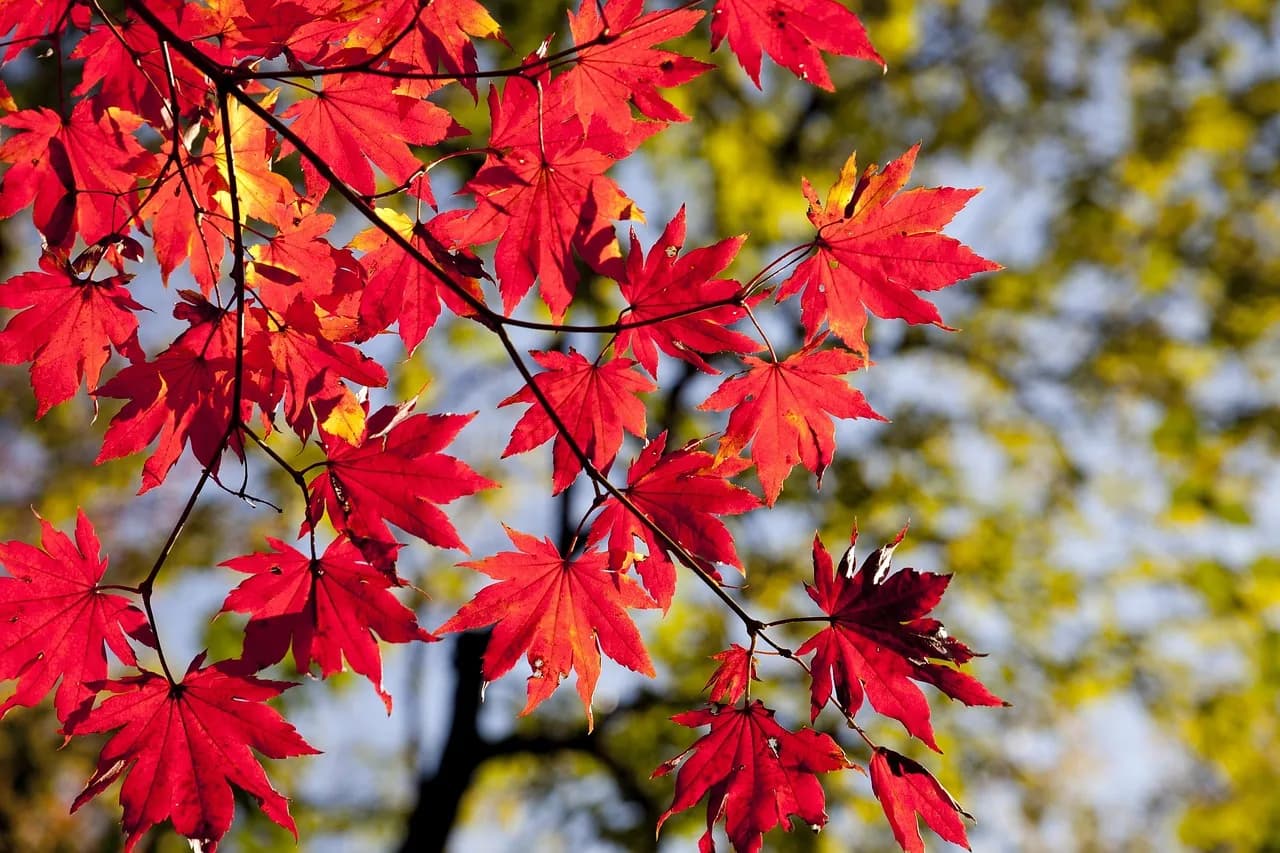
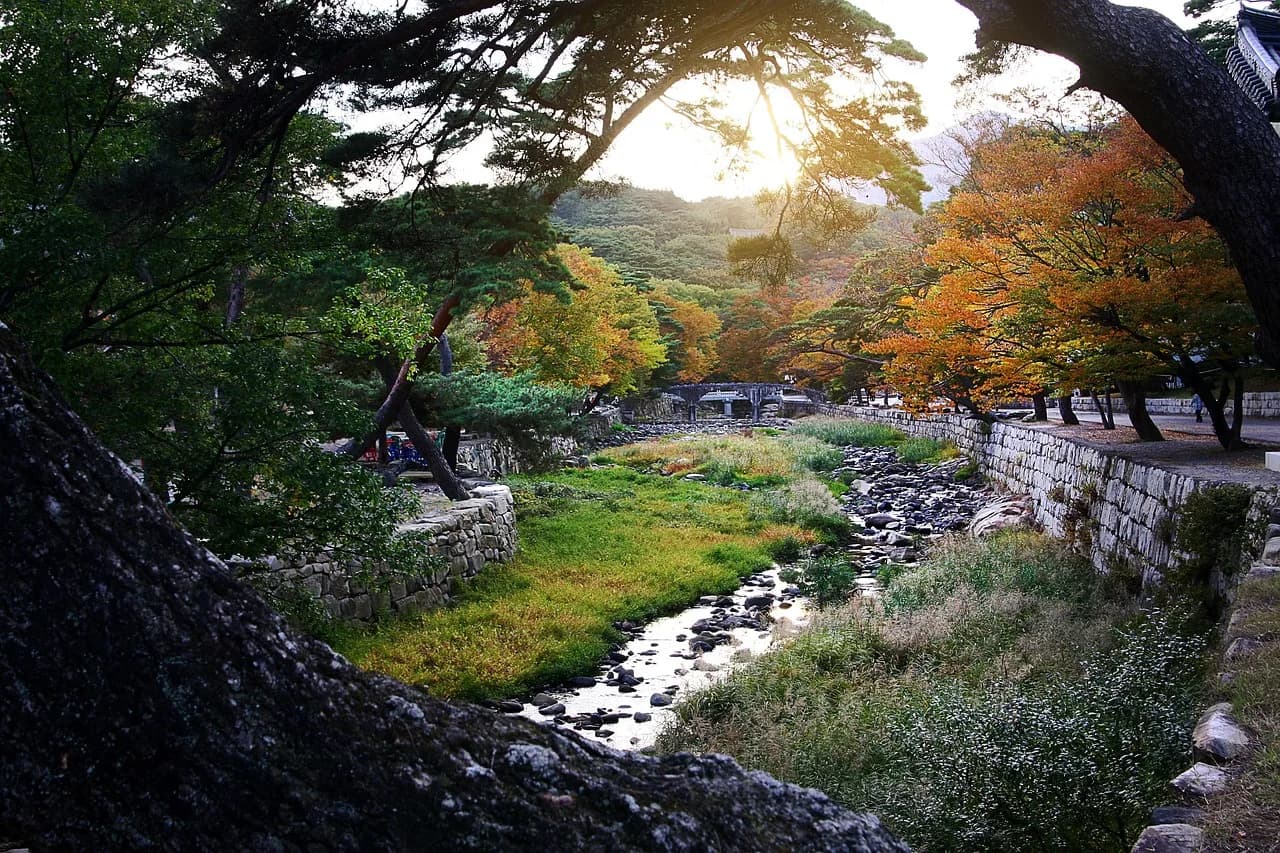
If you want the same scenery without the gamble, **autumn is longer, cheaper and
more reliable**
Where to go, once you have dates
Jinhae in the south holds the largest festival of the season. Seoul has several dense stretches, including along the river. Jeju opens earliest of all, which makes it the right answer for an early-season trip specifically.
Which of these is "best" depends almost entirely on when you can travel, because the bloom is moving north the whole time.
What is checked here and what is not
The south-to-north pattern and the February forecast timing are stable and checked on the date above. No specific dates are given here on purpose — they are not knowable in advance, and a page that pretends otherwise is guessing.