Seoul does not have a shopping district. It has ten, and they specialise so hard that walking into the wrong one is how people decide the city is expensive. The fabric is in Dongdaemun at two in the morning; the ₩8,000 vintage jacket is in Hongdae; the craft teapot is in Insadong and nowhere else; and the cosmetics are cheapest two streets from where the tour buses park.
One map, then what each place is actually for.
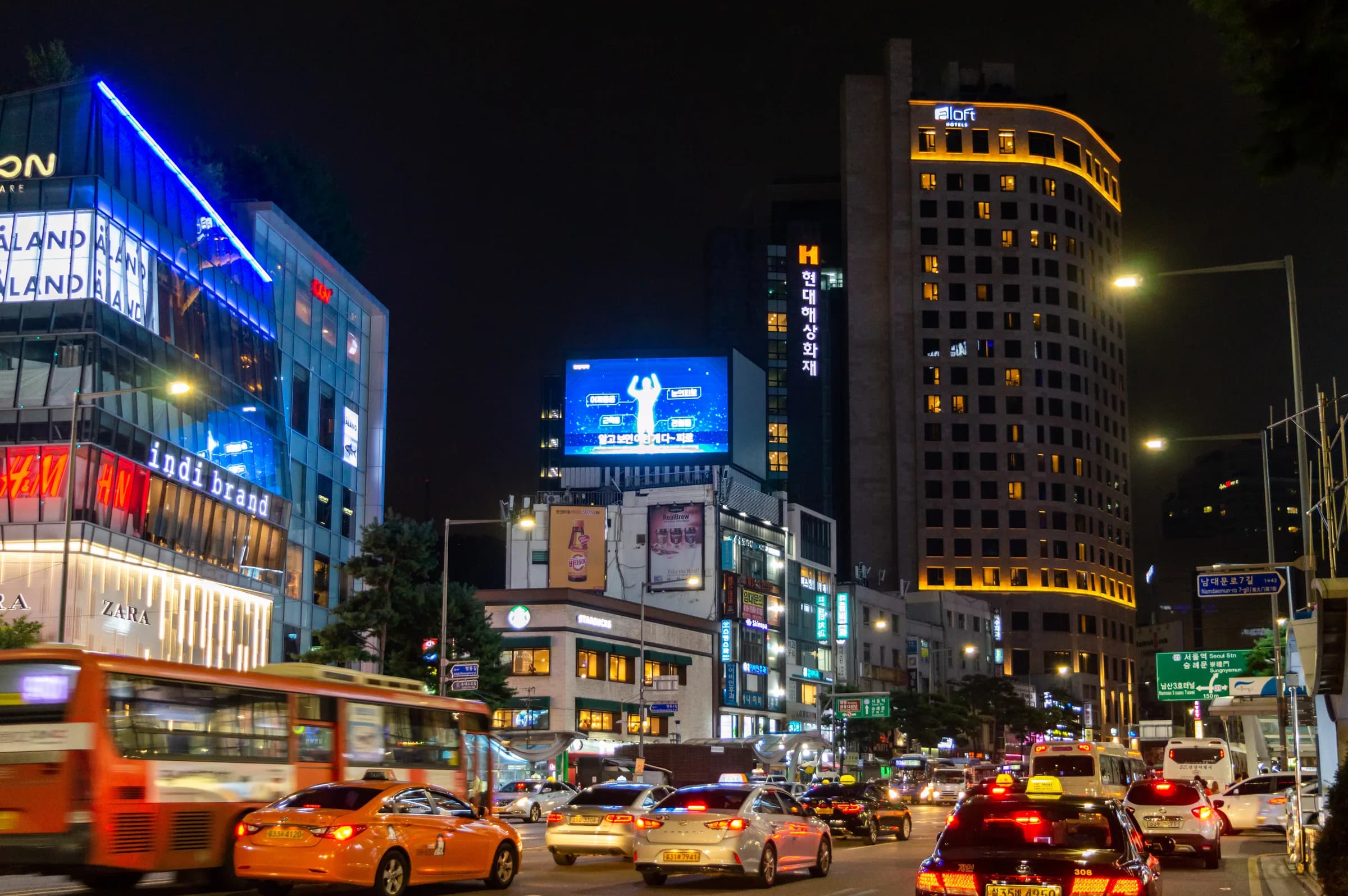
Myeongdong 명동 — cosmetics, and the machinery around them
Subway: Myeongdong Stn (Line 4), or Euljiro 1-ga (Line 2) from the north end.
Flagship skincare stores, duty free upstairs, Olive Young on every corner. Buy the mainstream brands at Olive Young shelf prices, save the duty free runs for a real haul — the coupons stack there, and cosmetics are the category where duty free clearly beats the tax refund. The free samples are the hook, not the discount.
Hongdae 홍대 — street fashion and vintage
Subway: Hongik Univ. Stn (Line 2, AREX, Gyeongui–Jungang) — exit 9 for the main drag.
University-district pricing: trend pieces, vintage by the kilo off Eoulmadang-ro, and the accessories stalls that come out at night. Sizes run Korean; try on, always. If you are basing yourself here anyway, the hostel guide's Hongdae section is the same streets:
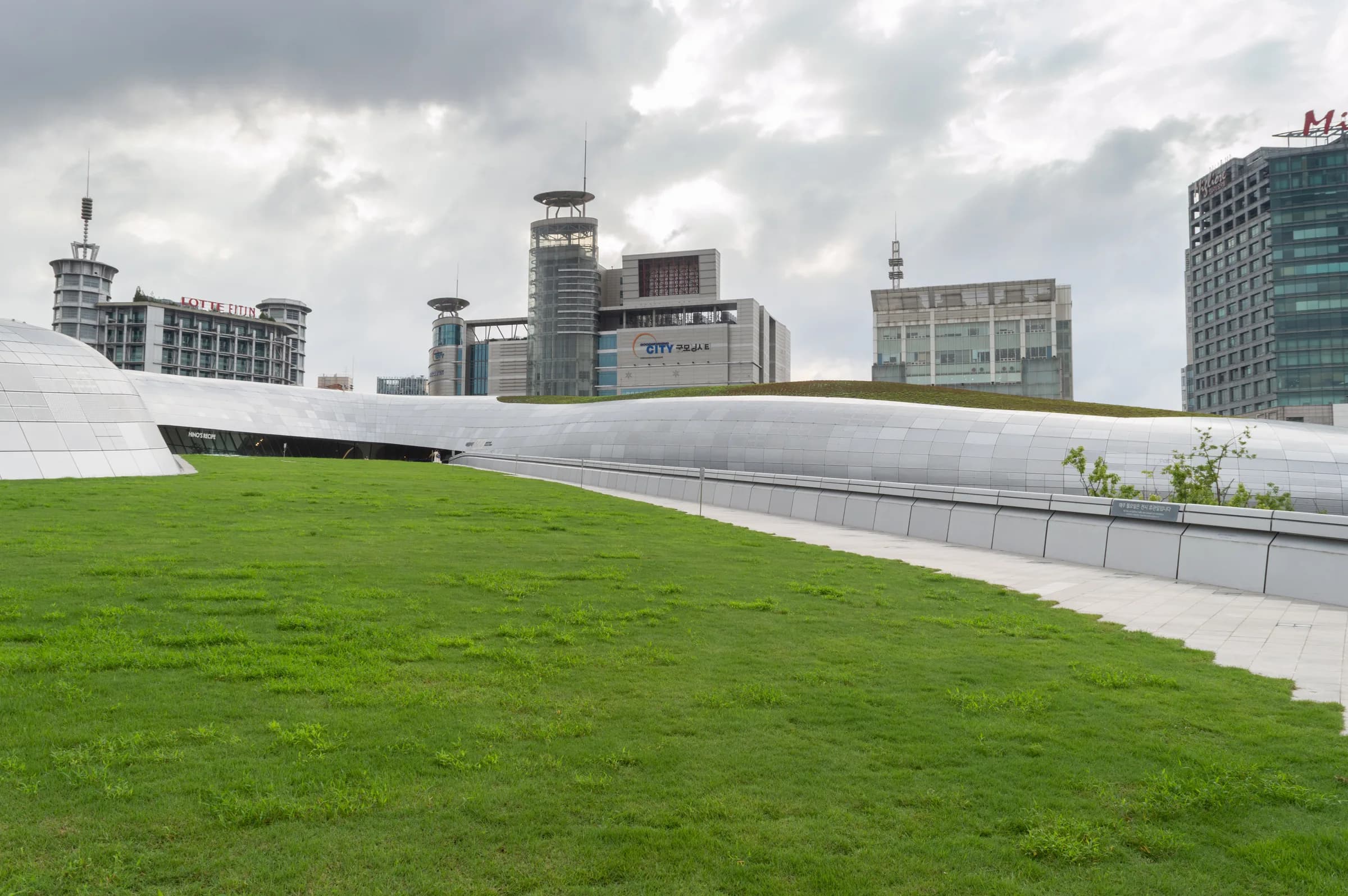
Dongdaemun 동대문 — fabric and fashion until dawn
Subway: Dongdaemun History & Culture Park Stn (Lines 2 · 4 · 5), directly under DDP.
The wholesale towers run roughly 20:00 to sunrise, because the country's shop buyers come at night. Retail floors near DDP keep merely late hours. For a visitor the draws are fabric by the metre, buttons and zips by the wall, and watching a supply chain eat dinner.
Insadong 인사동 — the only district for crafts
Subway: Anguk Stn (Line 3) exit 6, or Jonggak (Line 1) from the south.
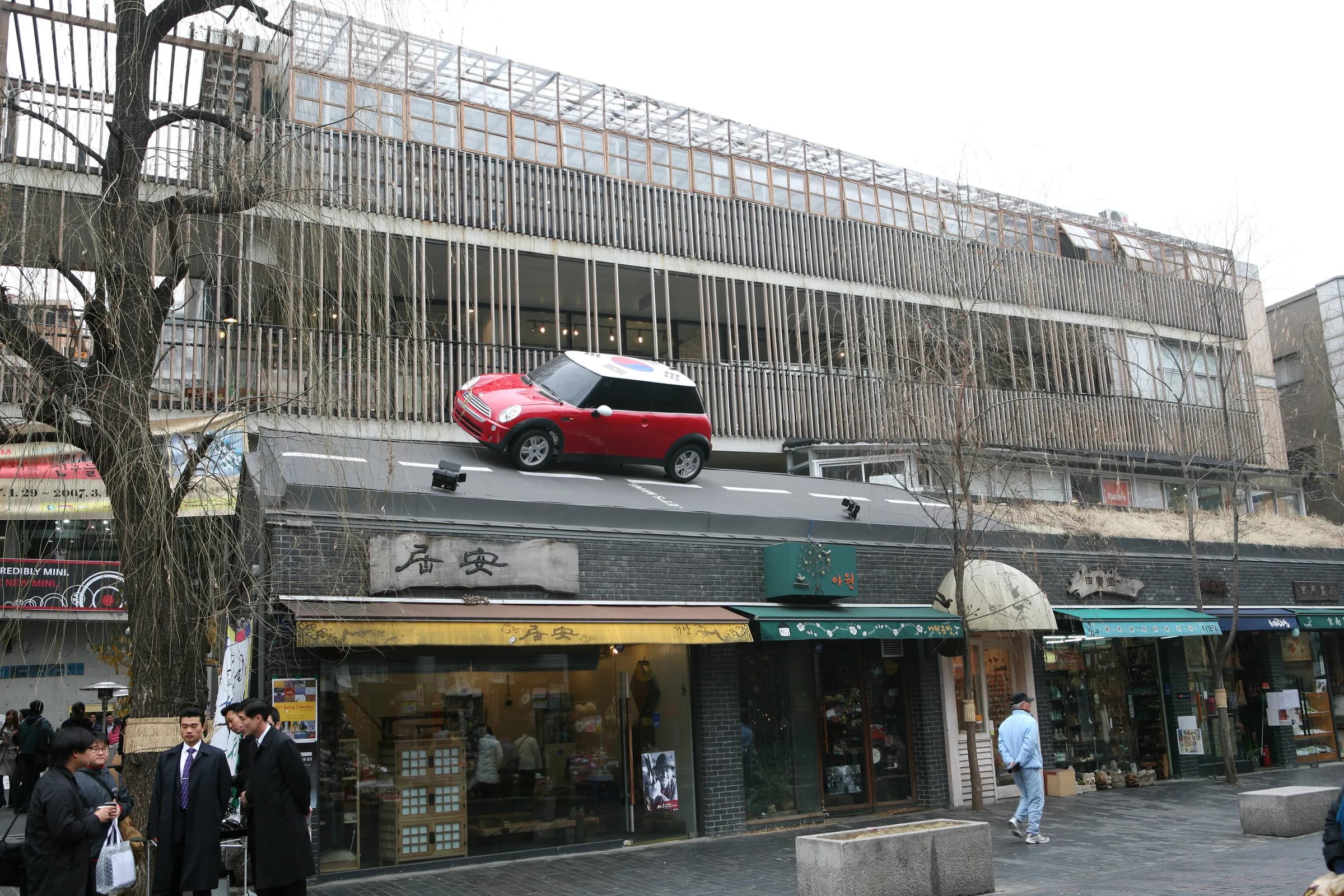
Hanji paper, celadon, tea, brushes, the gift that does not say airport. Prices are marked and haggling is not really the culture. The temple-food tables from the vegetarian guide are a block away, which makes a natural pairing:
Garosu-gil 가로수길 and Seongsu 성수동 — the design end
Subway: Sinsa Stn (Line 3) exit 8 for Garosu-gil; Seongsu Stn (Line 2) for Seongsu.
Garosu-gil is tree-lined designer boutiques south of the river; Seongsu is the old warehouse district turned concept-store quarter, where the pop-ups land first. Neither is cheap; both are where you find the thing nobody at home has.
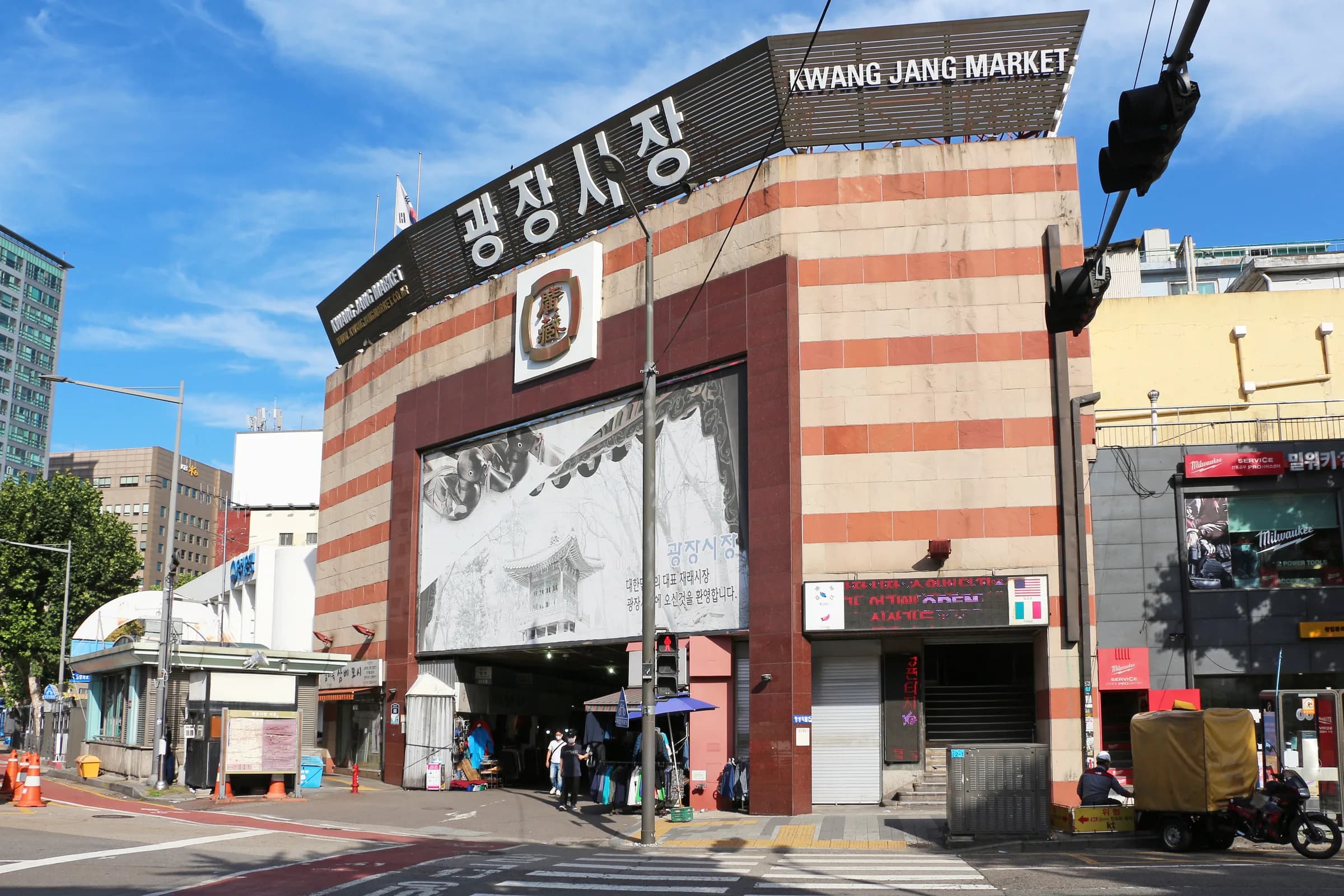
The markets — Namdaemun 남대문 and Gwangjang 광장
Subway: Hoehyeon Stn (Line 4) exit 5 for Namdaemun; Jongno 5-ga (Line 1) exit 8 for Gwangjang.
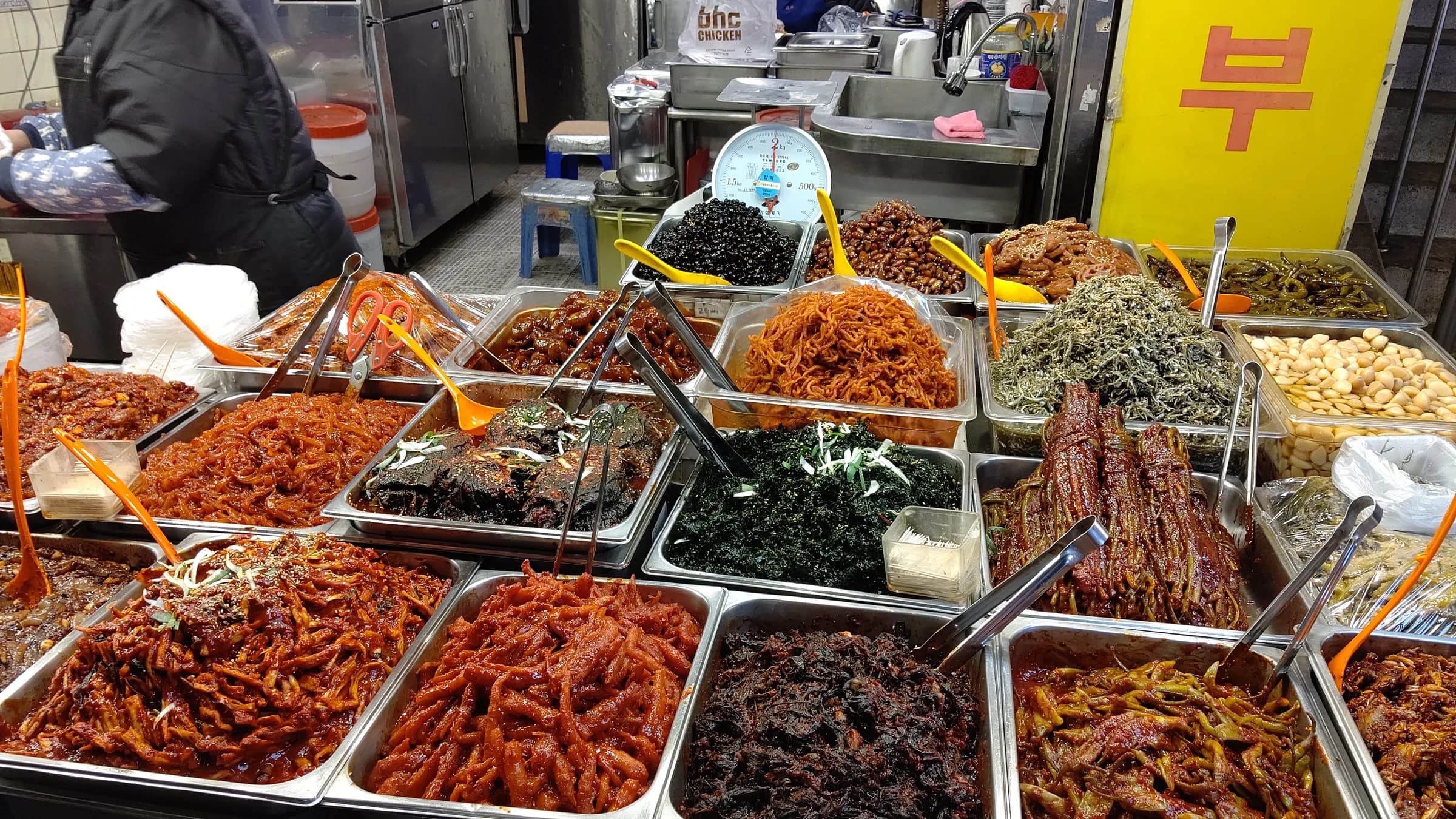
Namdaemun is the price floor: wholesale by day for everything from ginseng to glasses, and the place to buy in multiples. Gwangjang is fabric plus the single best food break in any shopping day — bindaetteok off the griddle, and the vegetarian caveats from the food guide apply at every stall.
The megamalls — Lotte World Mall 롯데월드몰 and The Hyundai 더현대
Subway: Jamsil Stn (Lines 2 · 8) connects straight into Lotte World Mall; Yeouinaru (Line 5) or Yeouido (Lines 5 · 9) for The Hyundai.
For rain, heat, or children: Lotte World Mall under the tower in Jamsil, and The Hyundai Seoul in Yeouido, the one built like a park. Everything is in one place at list price — these are comfort, not bargains, and on the right day comfort is the correct purchase.
The tax maths, in one paragraph
Visitors get Korea's 10% VAT back on purchases of ₩15,000+ per receipt at participating shops — many take it off at the till with a passport — while duty free removes duty and VAT upfront with airport pickup. Rough rule: cosmetics lean duty free, clothes lean the in-town refund, and the full workings are here: